An Immersive World Below the Horizon
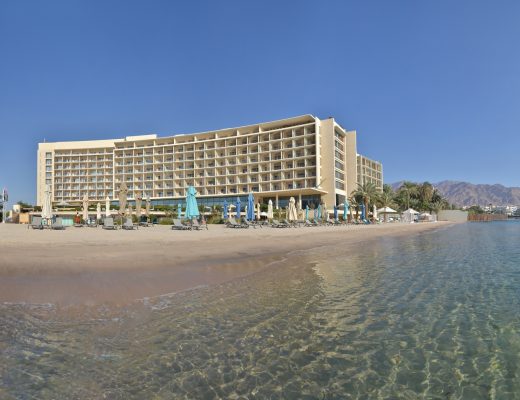
There are few places in the world where arrival feels like descent into another realm. At the Dead Sea, the land drops away gradually, the air grows denser, and the horizon seems to expand rather than recede. Kempinski Ishtar Dead Sea is not simply located here, it is embedded into the experience of going lower, slower, and deeper into stillness.
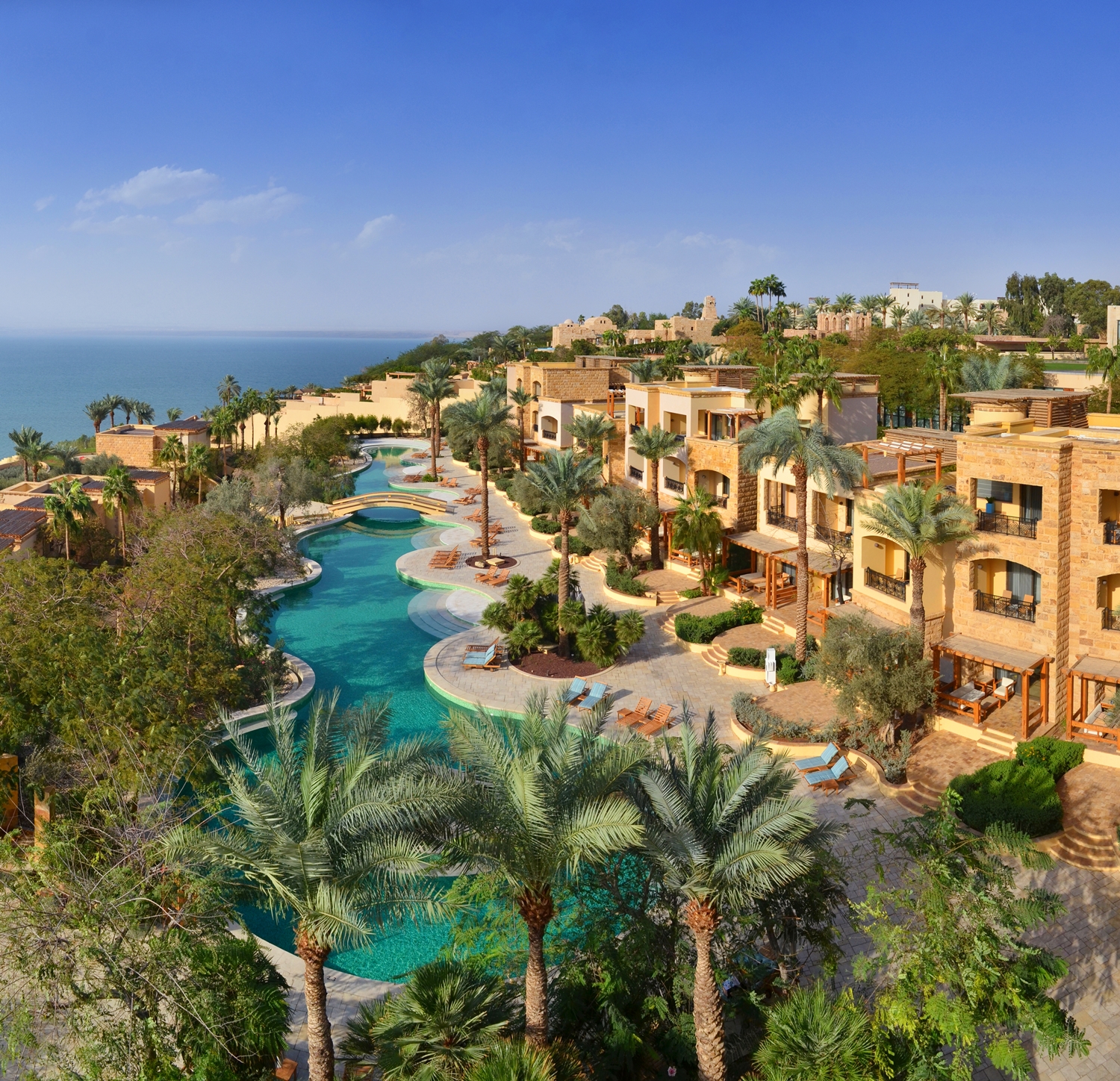
Inspired by the ancient civilizations that once flourished along these shores, the resort unfolds like a contemporary interpretation of a lost city. Vast in scale yet meticulously ordered, the architecture draws from Mesopotamian and Babylonian references terraced stone structures, grand stairways, and axial symmetry that feels ceremonial rather than ornamental. The hotel does not rise upward; it cascades downward, mirroring the geography of the land itself.
Movement through Kempinski Ishtar feels intentional. Pathways stretch wide and deliberate, guiding guests through a sequence of open courtyards, colonnades, and water features that reflect the desert light. Stone dominates the visual language, warm, pale, and grounding, softened by palms, flowing pools, and the constant presence of sky. The effect is immersive, almost cinematic, as if the resort were designed to be discovered gradually rather than taken in all at once.

Interiors echo this sense of scale and restraint. Spaces are expansive yet hushed, favoring proportion over decoration. The palette remains calm and mineral, allowing light and shadow to shape the atmosphere throughout the day. Nothing feels hurried here; the architecture itself seems to slow the body, encouraging pauses, quiet observation, and a recalibration of pace.
Guest rooms and suites continue this dialogue between grandeur and calm. Generous in size and understated in tone, they offer a sense of refuge rather than retreat. Balconies open toward the vast landscape, while interiors remain cool and composed designed to support rest rather than distract from it. Mornings arrive softly, shaped by silence and filtered light; evenings settle into a deep, restorative quiet unique to this place below sea level.
The experience of time at Kempinski Ishtar is fluid. Multiple pools cascade across the property, each offering a different relationship to space, some expansive and reflective, others intimate and sheltered. Guests move intuitively between them, following the rhythm of the day rather than a schedule. The Dead Sea itself remains a constant presence, not as spectacle, but as atmosphere, felt more than seen.

Wellness here feels elemental. The air, rich and heavy, the mineral water, the warmth of stone underfoot, all contribute to a sense of physical grounding. Rather than prescribing rituals, the resort allows the environment to do the work. Stillness becomes the defining luxury, and restoration feels inevitable.
Dining at Kempinski Ishtar follows the same philosophy of scale and subtlety. Culinary experiences are refined yet unforced, drawing from regional influence and international technique without excess. Meals unfold at an unhurried pace, often framed by open skies and long sightlines. As daylight fades, the resort takes on a quieter majesty, lights soften, reflections deepen, and the vastness of the setting becomes even more pronounced.
Service throughout the property is composed and intuitive, shaped by Kempinski’s heritage of European luxury. Attention is precise, never performative, allowing guests to feel both supported and unobserved. It is a form of hospitality that respects the contemplative nature of the destination.

What distinguishes Kempinski Ishtar Dead Sea is not just its scale or its setting, but its sense of timelessness. The resort feels as though it belongs to the land. anchored in history, yet unmistakably modern. It does not compete with its surroundings; it echoes them.
Leaving feels less like departure and more like re-emergence. The stillness lingers, carried in the body and memory long after the horizon rises again. Kempinski Ishtar Dead Sea is not simply a destination, it is an experience of place, proportion, and pause. A modern monument to calm, shaped by ancient inspiration and enduring elegance.