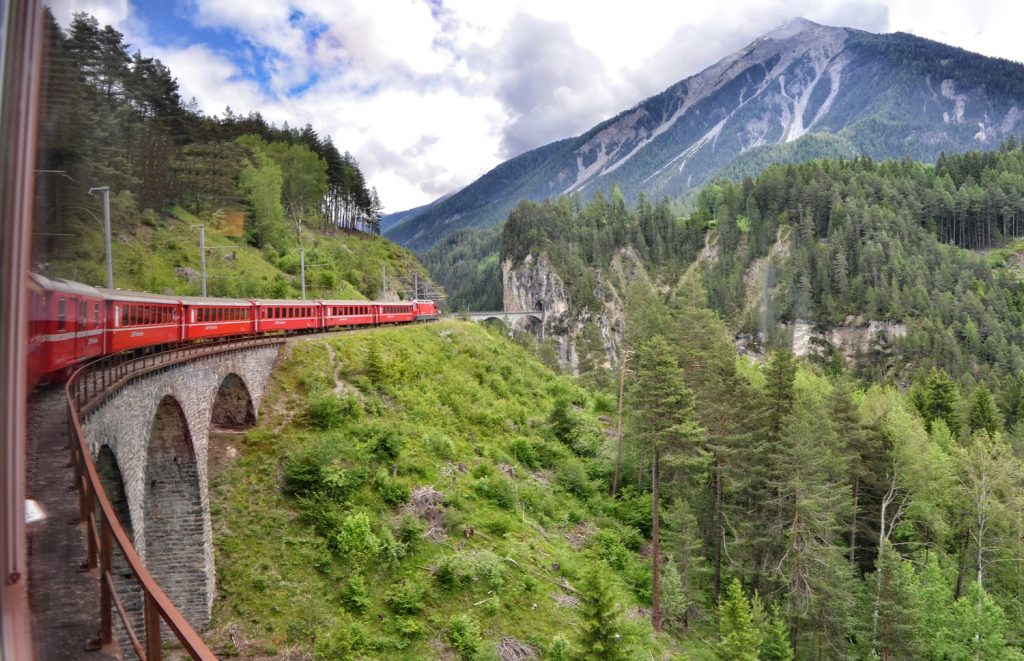
When I told people I was planning to explore Europe by train this summer, almost everyone asked me the same question:
“How much is that going to cost?”
The second question came right after:
“How do you even buy that many train tickets?”
The answer was surprisingly simple – I didn’t. For the entire journey, I traveled with a single Interrail Pass.
Over the course of a few weeks, I covered more than 8,500 kilometers, visited 35 destinations, and experienced some of Europe’s most beautiful cities. From Strasbourg and Berlin to Salzburg, Vienna, Warsaw, Gdansk, and many other places I probably would have never discovered if I had traveled only by plane or by car.
That’s when I realized something important: Interrail isn’t just a train pass. It’s a completely different way of experiencing Europe.
When the Journey Becomes More Important Than the Destination
Most of us plan our trips the same way.
We book a flight, reserve a hotel, and make a checklist of attractions we want to see. Every detail is planned in advance.
Interrail works differently.
Of course, you can have an itinerary – but you don’t have to follow it.
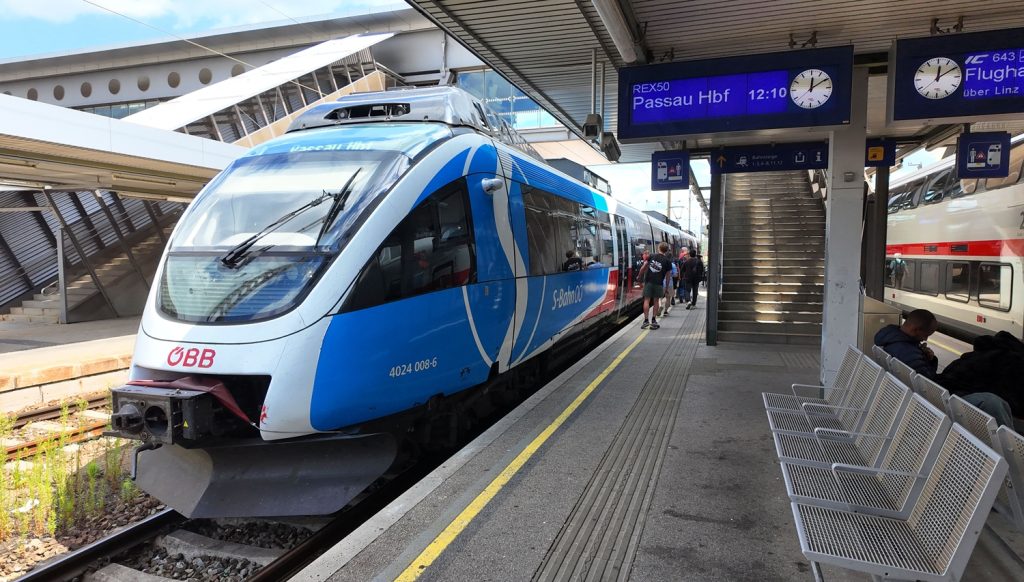
If you fall in love with a city, you simply stay another day. If another traveler recommends a place you’ve never heard of, you can change direction without overthinking it. Sometimes those spontaneous decisions become the highlight of the entire trip.
That happened to me more than once.
Some cities had been on my list for months. Others appeared completely by chance after conversations with fellow passengers or recommendations from locals I met along the way.
Looking back, those unexpected moments became some of my favorite memories.
What Exactly Is Interrail?
For anyone hearing about it for the first time, Interrail is a rail pass that allows travelers to explore up to 33 European countries using a single ticket.
Instead of buying separate tickets for every journey, you simply activate your pass in the Interrail app and choose the train you want to take.
Some high-speed and overnight trains require seat reservations for an additional fee, but thousands of regional and international routes are included without extra costs.
That means you can have breakfast in Germany, lunch in the Czech Republic, and spend the evening in Austria – all without worrying about purchasing another ticket.
Europe Looks Different From a Train Window
One of the biggest surprises of the trip was realizing how different Europe feels when you travel by rail.
Unlike flying, where you jump from one airport to another, trains let you experience everything in between.
For hours, the scenery changes outside your window. Vineyards give way to mountains, mountains to lakes, and lakes to historic cities and charming towns you’ve probably never heard of.
Sometimes I deliberately chose daytime trains just to enjoy the landscapes.
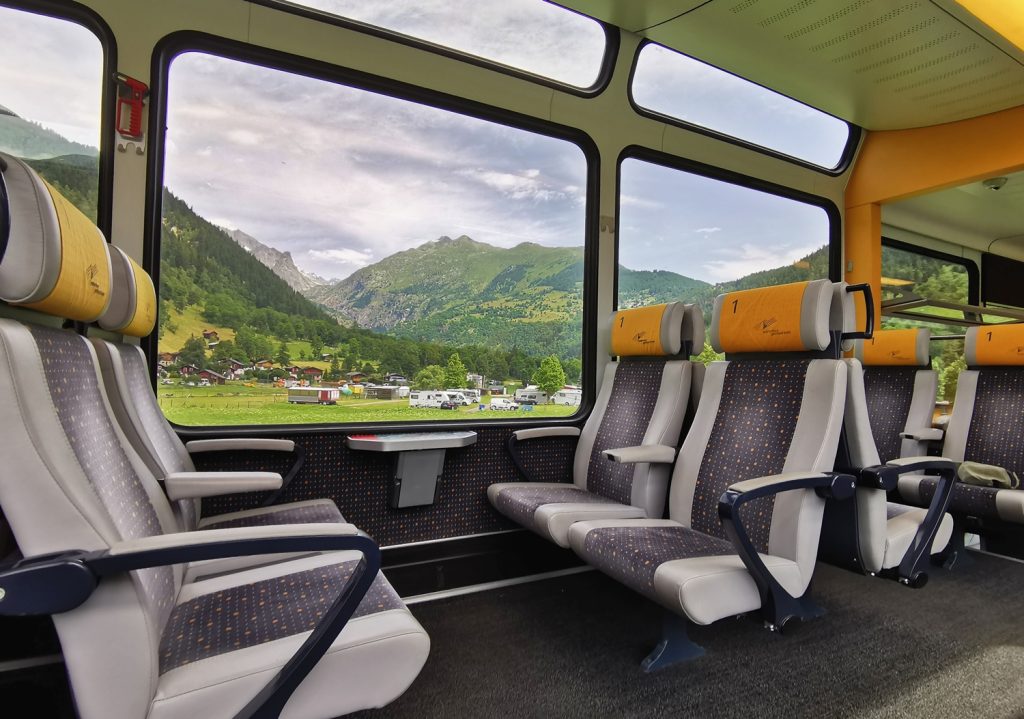
Other times, the conversations with people sharing my compartment became even more memorable than the destination itself.
On one journey I met students backpacking through the Balkans. On another, a retired couple who had spent every summer traveling across Europe by train for more than twenty years. On a different route, fellow travelers recommended towns I hadn’t even considered visiting.
Those are the kinds of experiences you simply can’t plan.
How Much Can You Really See?
Far more than I expected.
During this trip, I visited Strasbourg, Berlin, Salzburg, Vienna, Warsaw, Gdańsk, and dozens of other cities and towns.
But I wasn’t trying to collect destinations.
Quite the opposite.
Some places deserved only a few hours, while others convinced me to stay for several days. Having the freedom to decide how long to spend somewhere turned out to be one of Interrail’s greatest advantages.
There is no pressure to stick to a rigid schedule.
Is Interrail Worth It?
If you’re planning to visit several countries, the answer is certainly yes.
A single pass often costs less than buying multiple international train tickets separately.
But for me, the biggest advantage wasn’t saving money.
It was freedom.
You don’t have to worry that changing your plans will cost another hundred euros. You don’t have to spend hours buying tickets for every new route.
You simply travel.
Things I Wish I Had Known Before Leaving
If you’re planning your own Interrail adventure, a few tips can make the experience much easier.
First, download the Rail Planner app. It includes nearly all train schedules and even works offline.
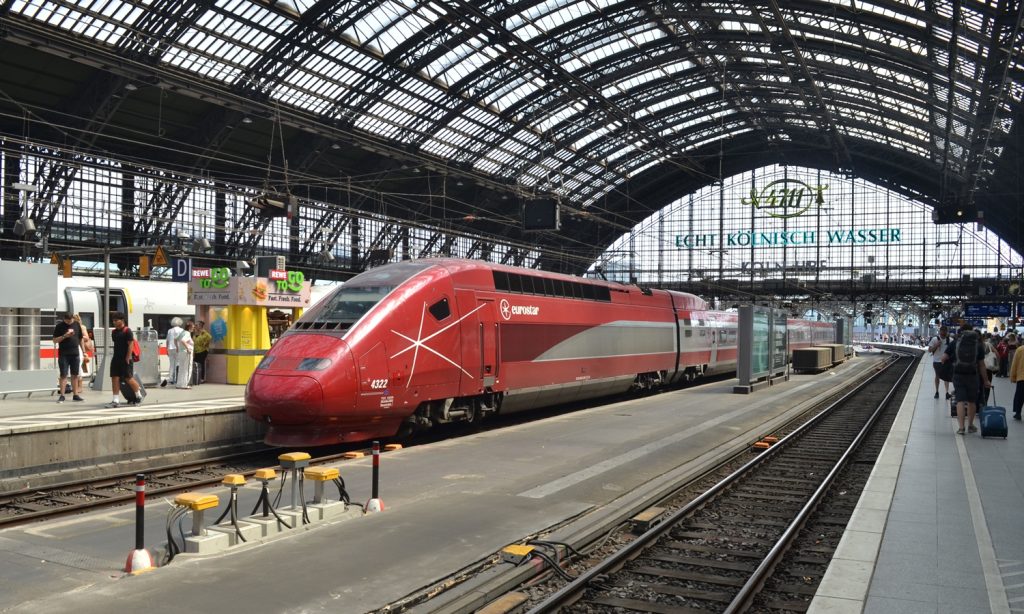
If you’re traveling during the summer, make seat reservations for popular high-speed and overnight trains a few days or weeks in advance.
And perhaps the most important advice of all: don’t try to see all of Europe in ten days.
You’ll enjoy the journey much more if you spend two or three days in places you genuinely love instead of rushing from one landmark to the next.
A Journey That Changed the Way I See Europe
After traveling more than 8,500 kilometers and visiting 35 destinations, I realized that Interrail is about much more than seeing as many places as possible.
It encourages you to slow down.
To spend more time looking out the window than at your phone.
To start conversations with strangers who may become part of your journey.
To get off at a station you had never even heard of the day before.
And perhaps that’s its greatest value.
In the end, you won’t remember how many trains you caught or how many borders you crossed.
You’ll remember the people you met, the landscapes that stayed with you, and the feeling of discovering Europe in a way that no guidebook or tourist map could ever capture.