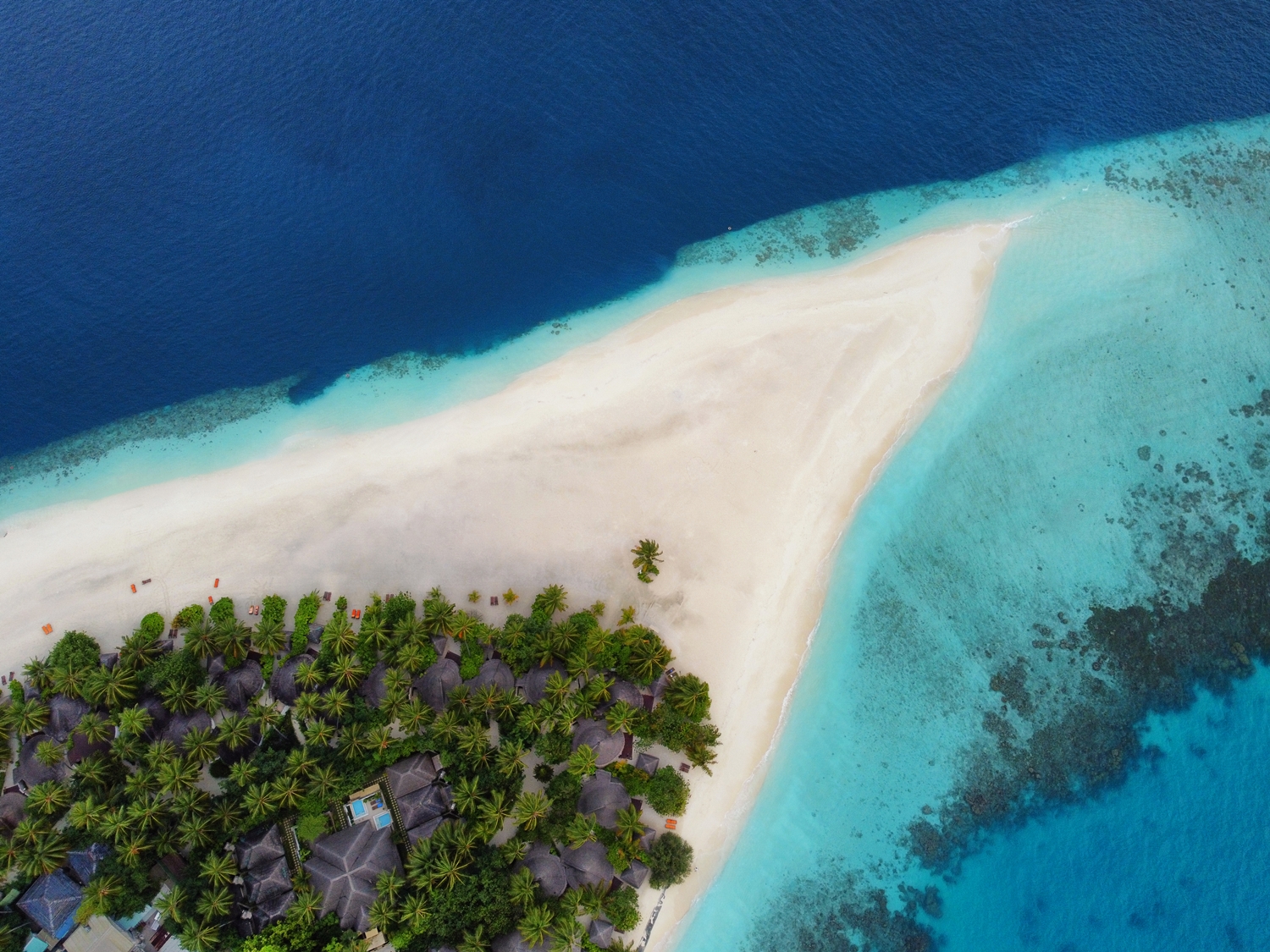
For decades, the Maldives seemed almost immune to the problems that affect other tourist destinations. The formula was simple: white sand, turquoise water, private villas, overwater bungalows and a price tag high enough to keep mass tourism at a comfortable distance.
But something is changing.
The Maldives is still one of the most desirable holiday destinations on the planet, and visitor numbers remain enormous. In 2025, the country welcomed around 2.25 million tourists, a new high. Yet behind the impressive headline numbers, the tourism industry is entering a very different era. In 2026, monthly arrivals have shown signs of volatility, while the country is simultaneously adding new luxury properties, expanding local-island tourism and facing growing environmental and economic pressures.
So, what is really happening in the Maldives?
The Maldives Is No Longer the Maldives of Five Years Ago
Five years ago, the Maldives could still sell a very specific fantasy: disappear onto a private island, stay in an overwater villa and spend a week barely noticing the world outside your resort.
That model has not disappeared. In fact, it is becoming even more extravagant.
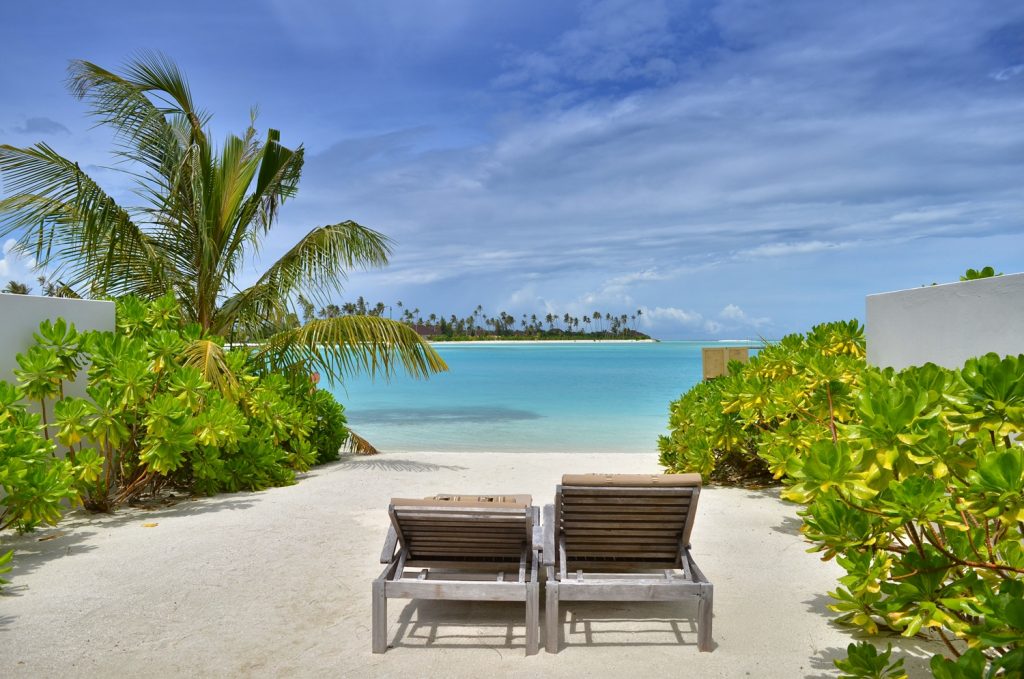
New properties are pushing the definition of luxury further, with enormous villas, private butlers, wellness programmes, superyacht experiences and ultra-exclusive retreats. Some of the newest resorts are designed for travellers for whom privacy is more important than almost anything else.
But the destination is no longer relying on that one formula.
Local guesthouses have transformed tourism on inhabited islands, allowing travellers to experience a very different Maldives: cheaper accommodation, local restaurants, diving, fishing trips and everyday island life. In 2025, roughly 73% of visitors still stayed in resorts, but the growing share travelling outside the traditional resort bubble is significant.
The result is a fascinating contradiction: the Maldives is becoming simultaneously more luxurious and more accessible.
And that transition is putting the old tourism model under pressure.
The Real Problem Is Not a Lack of Tourists
It would be misleading to say that tourism in the Maldives is “collapsing”. It isn’t.
The bigger problem is that the country has become extremely dependent on tourism while the costs of maintaining the paradise are rising.
Tourism is central to the Maldivian economy, but the destination is extraordinarily vulnerable to external shocks — from geopolitical instability and changing airline networks to fuel prices and climate-related disruption. Recent data already show how quickly monthly arrivals can move in either direction.
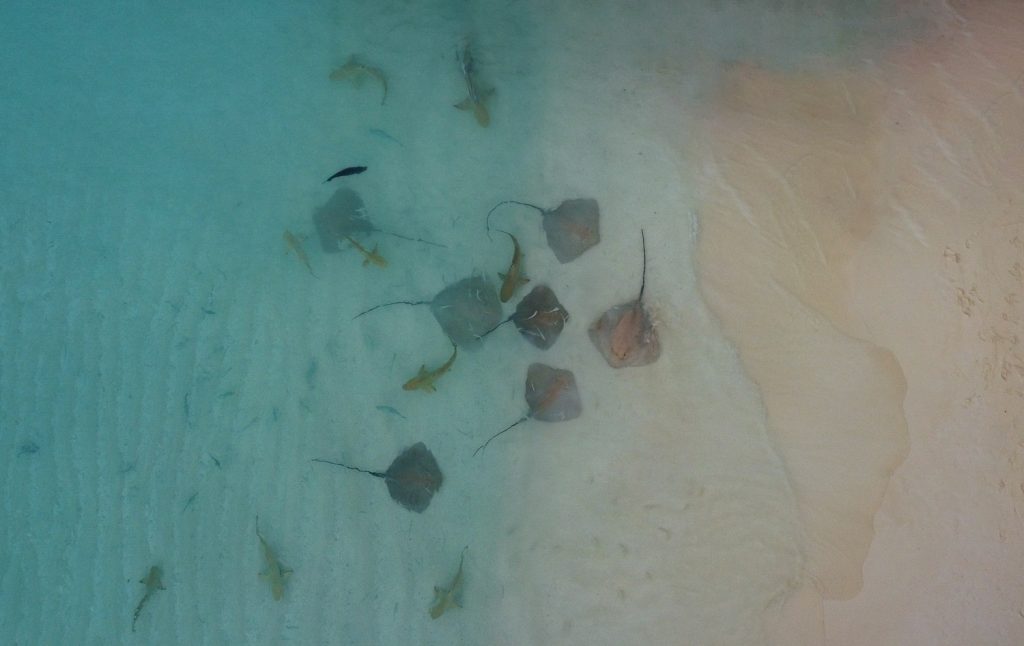
Then there is the environmental contradiction.
The Maldives sells something that is increasingly difficult to protect: pristine beaches, coral reefs and tiny islands surrounded by an enormous ocean.
Coastal erosion, coral bleaching, freshwater shortages and waste management are already major concerns for the tourism sector. At the same time, infrastructure projects and land reclamation are expanding in an attempt to make the islands more resilient and create more space.
This creates one of the Maldives’ biggest tourism dilemmas:
How do you build more to protect the destination without destroying the very environment people come to see?
From Paradise to a Tourism Experiment
This may be the most interesting story unfolding in the Maldives.
The country is gradually moving away from the idea that tourism must happen exclusively behind the gates of private resort islands.
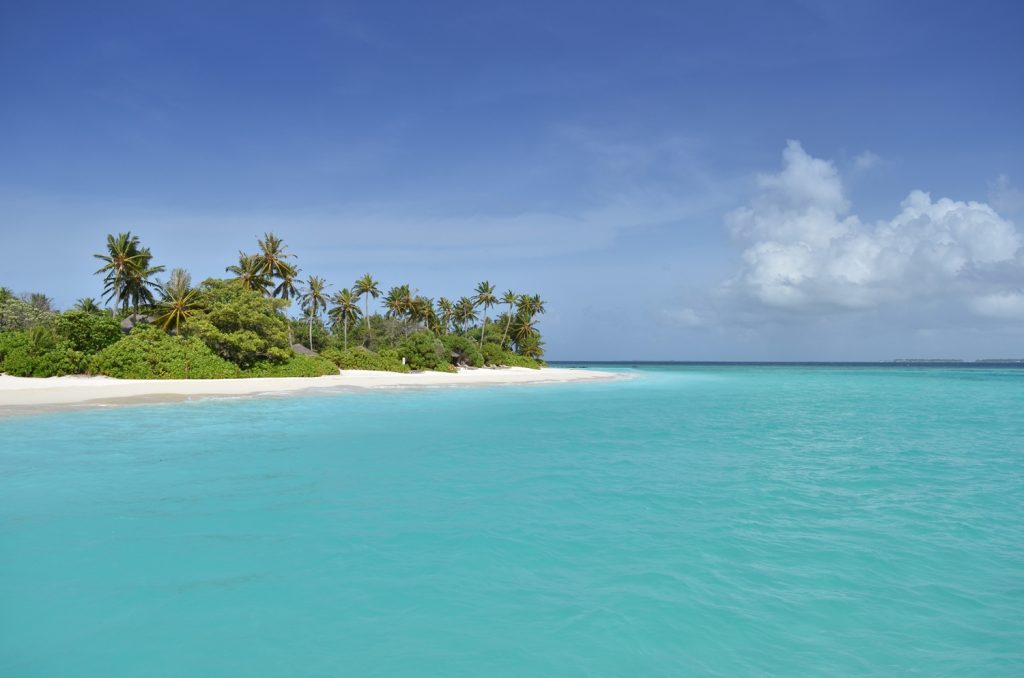
Local-island tourism is growing. Guesthouses are becoming more sophisticated. Domestic flights are opening access to distant atolls, while travellers increasingly search for diving, marine life, wellness, culture and authentic experiences rather than simply a beautiful villa.
That sounds positive — and it can be.
But it also creates new problems. More visitors on inhabited islands mean greater pressure on water, sewage, waste collection, transport and local infrastructure. Some communities already struggle with inadequate waste and wastewater systems.
Meanwhile, the luxury sector continues expanding.
The Maldives is therefore trying to solve two seemingly opposite problems at once: how to attract more visitors while reducing the damage caused by having more visitors.
That is an incredibly difficult balancing act for a country made up of tiny islands.
The Next Maldives Will Be Very Different
Perhaps the most important question is not whether people will stop travelling to the Maldives.
They won’t.
The real question is what kind of Maldives they will travel to.
The old Maldives was about exclusivity: one island, one resort, one carefully controlled version of paradise. The new Maldives is becoming more fragmented, more diverse and more complicated. There are ultra-luxury resorts for the world’s wealthiest travellers, local guesthouses for independent travellers, wellness retreats, diving-focused properties and increasingly ambitious sustainability projects.
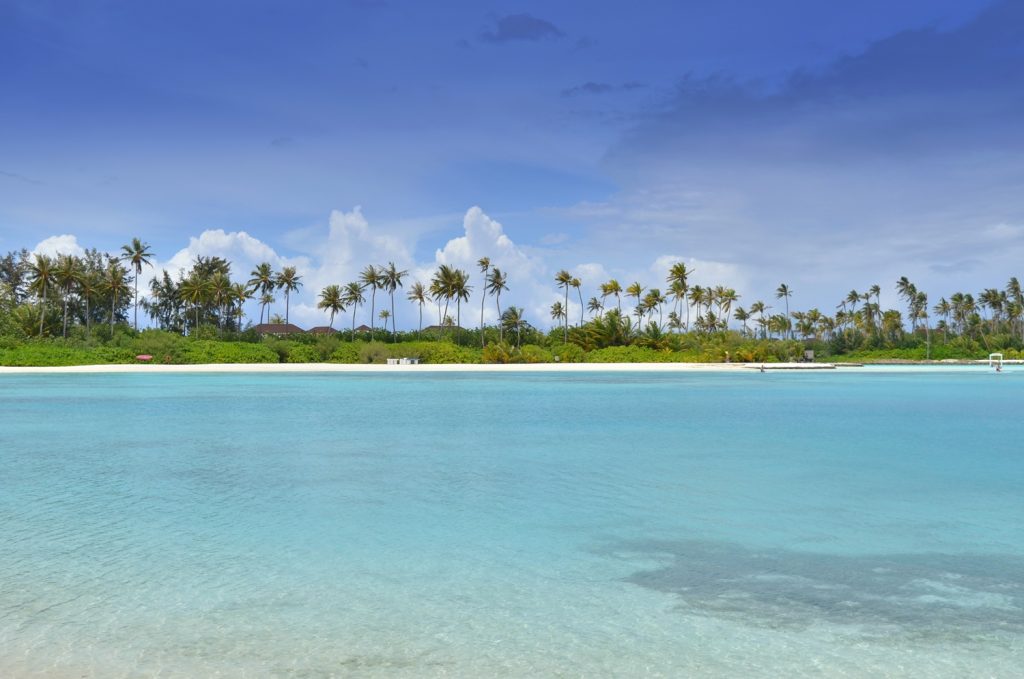
At the same time, environmental activists are warning that development itself can become a threat to the islands, particularly when reclamation and construction damage wetlands, reefs and coastal ecosystems.
And that is why the Maldives is at a fascinating crossroads.
It is not losing its magic.
It is fighting to survive its own success.
The turquoise lagoons are still there. The villas are still spectacular. The sunsets still look almost unreal.
But behind the postcard is a destination undergoing one of the biggest transformations in its tourism history.
Five years from now, the Maldives may still look like paradise.
The question is whether it will still work like one.