Brussels is famous for chocolate, waffles, Art Nouveau architecture and the magnificent Grand Place. But there is another side of the Belgian capital – one that shapes decisions affecting hundreds of millions of Europeans every day.
Brussels is the political heart of the European Union, home to some of its most important institutions. And here is something many visitors do not realise: much of this world is open to tourists. You can enter the European Parliament, discover how the European Commission works, explore the history of Europe and even see the places where European leaders meet.
So, if you want to experience Brussels beyond the usual tourist attractions, head to the European Quarter and follow this route.
1. Station Europe – Start Your European Journey Here
A great place to begin is Place du Luxembourg, right next to the European Parliament. Here you will find Station Europe, a visitor centre located in the former Brussels-Luxembourg railway station.
It is a fitting starting point because this historic railway building connects Brussels’ past with its role as the modern capital of Europe. Visitors can find information about the European Parliament and other EU attractions, while interactive displays help explain the European institutions and the surrounding European Quarter.
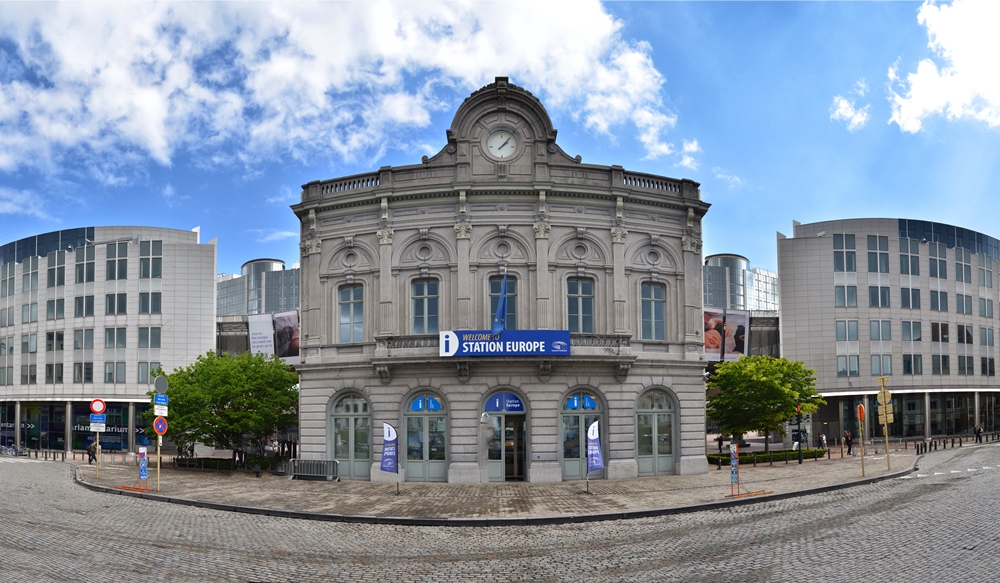
One of the highlights is an interactive model of the European Parliament complex, giving visitors a better idea of where everything is located before they begin exploring.
And that is perhaps the first surprise of the European Quarter: the European Union is not some distant, inaccessible world behind closed doors. Much of it is designed to be explored by ordinary visitors.
2. European Parliament – See Where Europe Debates
From Station Europe, it is only a short walk to the European Parliament, perhaps the most fascinating stop for anyone curious about how European democracy works.
The highlight is the Hemicycle, the impressive semi-circular chamber where Members of the European Parliament debate and vote on issues affecting the European Union.
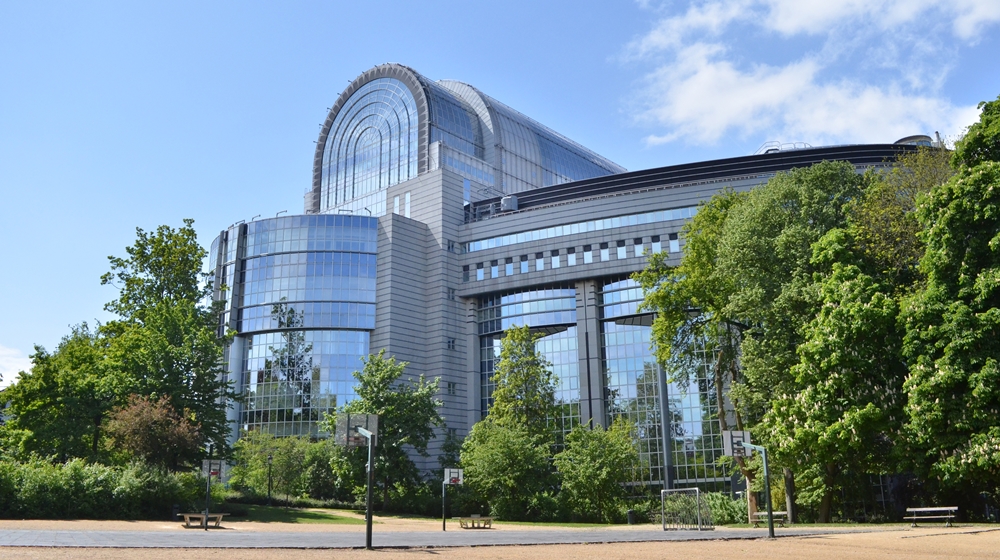
Visits are free, and multimedia information is available in all 24 official EU languages. If you happen to visit during a plenary session, you may even be able to watch part of the debate from the visitors’ gallery.
Standing inside the Parliament is a very different experience from watching European politics on television. Suddenly, the names of institutions, political debates and European laws become something tangible.
This is where decisions are discussed that can influence the everyday lives of people across the continent – and visitors get a chance to see the setting for themselves.
3. European Council – Behind the Doors of European Leadership
Next, head towards the European Council and its striking Europa building.
The building is instantly recognisable thanks to its unusual façade, made from window frames collected from across Europe. Inside is the spectacular “lantern”, a glass-and-metal structure that has become one of the symbols of the European Quarter.
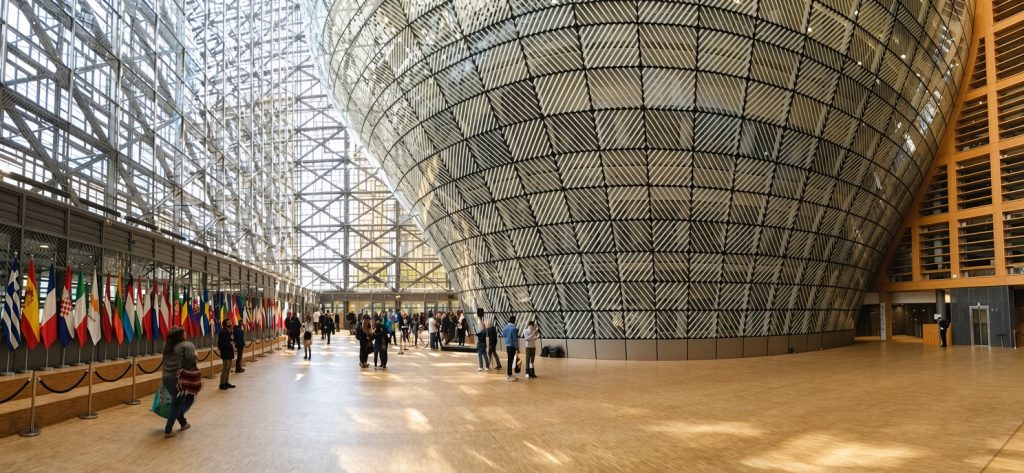
This is where EU heads of state or government meet, alongside ministers from the member states in the Council of the European Union.
Visitors can discover the institution through the Visitors’ Centre, where multimedia displays explain how the Council works and how European countries cooperate to make decisions.
Visits are free, although advance booking is generally required. Guided tours of the buildings are also available on certain days.
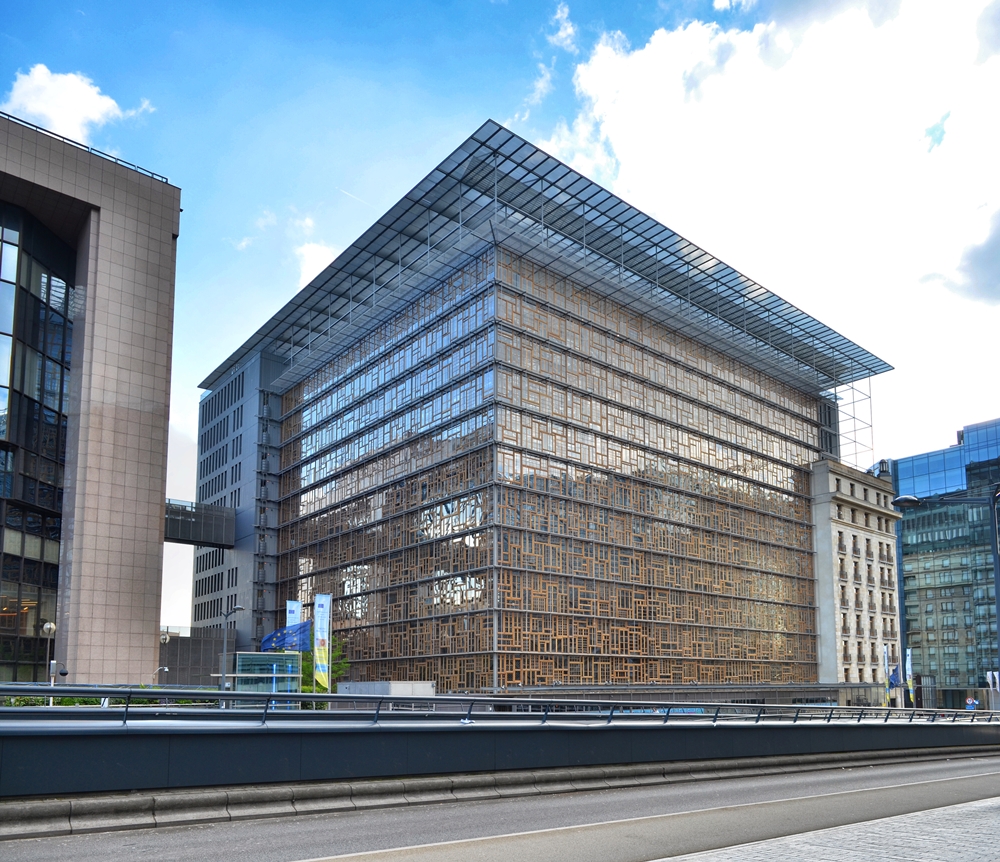
What makes this stop particularly interesting is the contrast: from the outside, the European Quarter can look like an ordinary modern business district. But behind these walls, European leaders regularly discuss issues that can shape the future of the continent.
4. European Commission – Discover the Engine of the EU
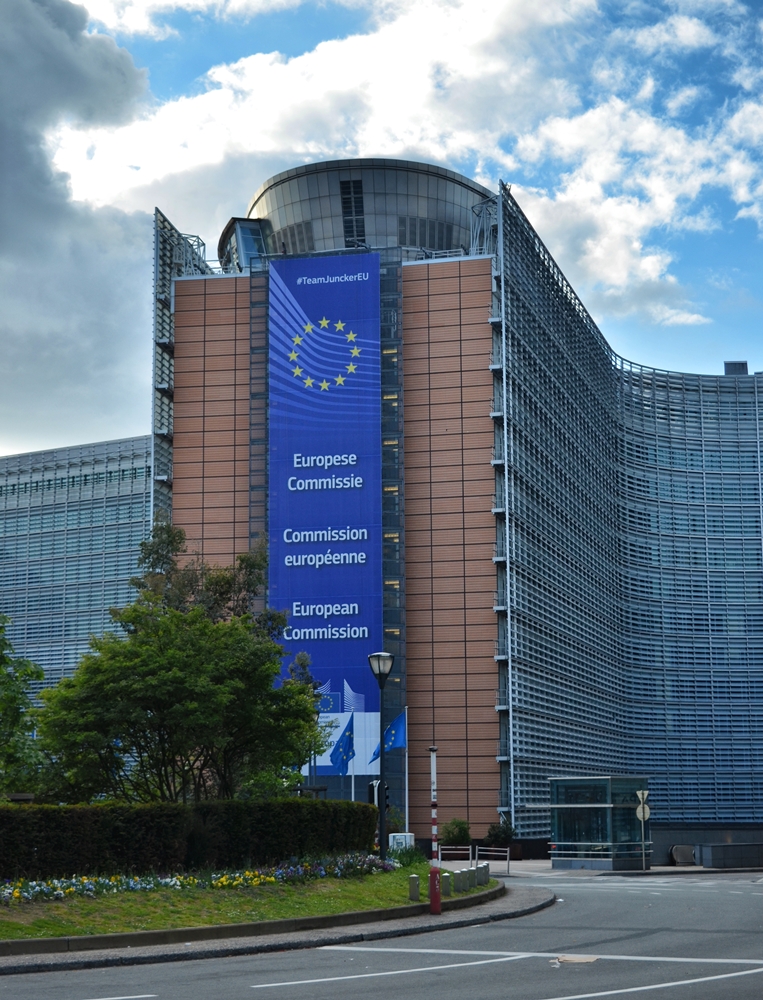
Not far away is the European Commission, another institution most people know from the news but rarely have the opportunity to explore in person.
For individual visitors, one of the best places to start is Experience Europe, an interactive exhibition dedicated to the work of the Commission.
Admission is free, and visitors can explore the exhibition through multimedia displays, games and interactive installations. You can learn what the Commission actually does, how European policies are developed and how EU decisions affect everyday life.
For organised groups, the Commission also offers visits to its Visitors’ Centre, including information sessions and discussions with specialists.
It is an excellent way to move beyond the headlines and understand what the European Commission actually does – and why it plays such an important role in the European Union.
5. Parlamentarium, House of European History and Esplanade Solidarność 1980 – The Perfect Finale
To really understand the European Quarter, make time for Parlamentarium, the European Parliament’s visitor centre. It is one of the best places in Brussels to discover how the European Union works.
This is not a traditional museum. It is highly interactive, using multimedia installations to take visitors through the history of European integration, the work of the Parliament and some of the major challenges facing Europe today.
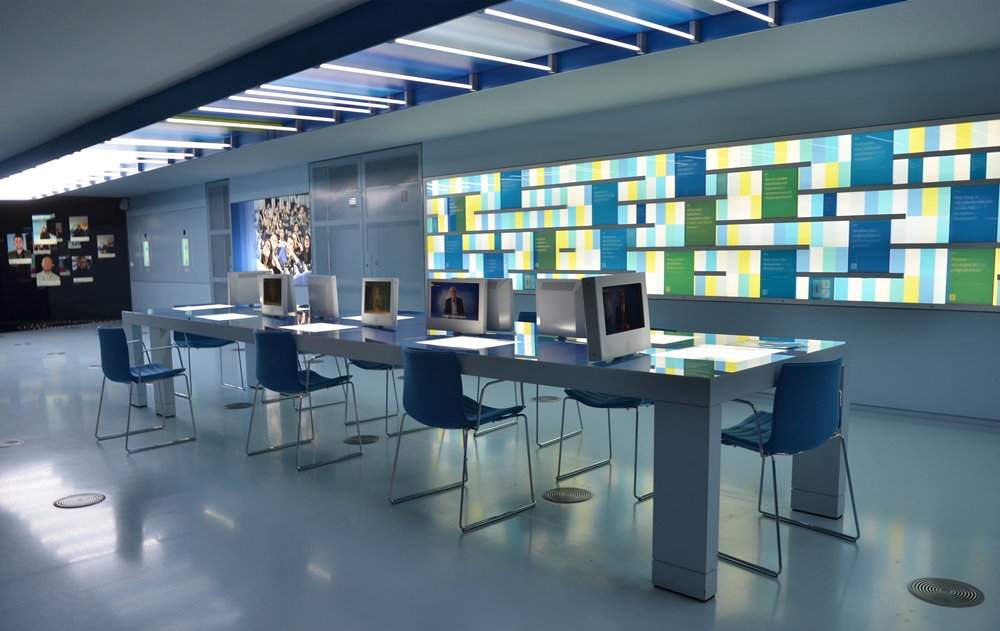
The visit takes around 90 minutes, admission is free and the multimedia experience is available in all 24 official EU languages.
Afterwards, continue to the House of European History, located in a beautifully renovated building overlooking Parc Léopold. The museum tells the story of Europe through wars, political divisions, social change and the long process of European integration.
Rather than simply presenting a list of dates and historical events, it asks visitors to consider how Europeans experienced the major turning points that shaped the continent. Admission is free, and the permanent exhibition is available in all 24 official EU languages.
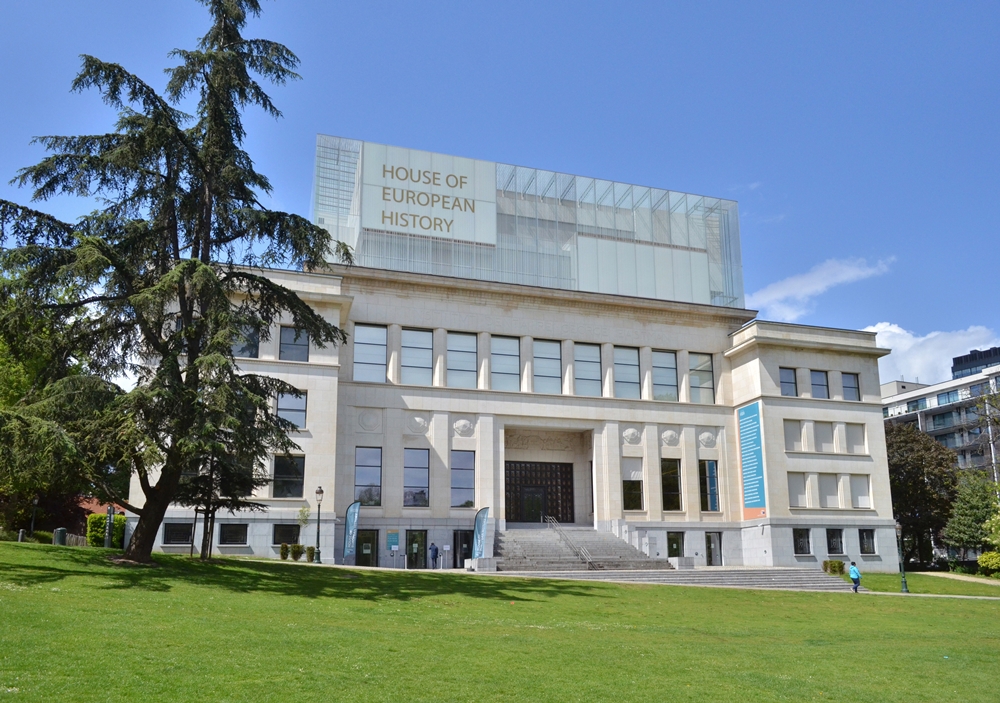
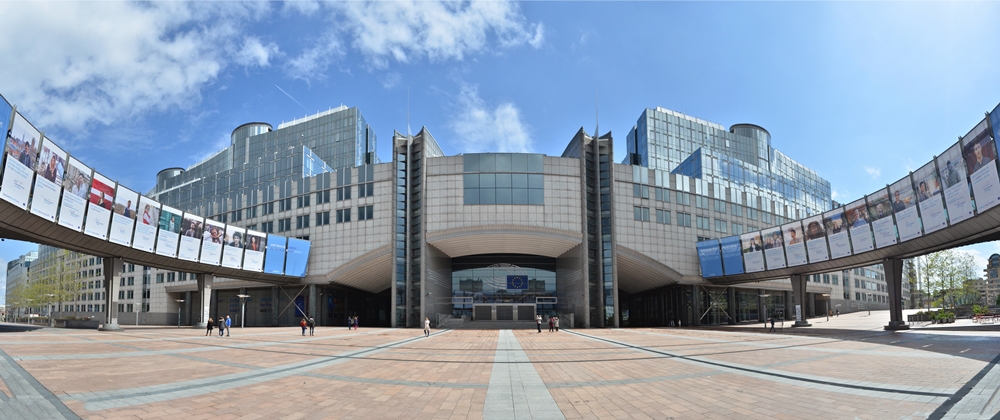
Finally, make your way to the Esplanade Solidarność 1980, a broad pedestrian space connecting the European Parliament area with Place du Luxembourg, Brussels-Luxembourg railway station and Parc Léopold.
It is a perfect place to slow down after exploring the institutions. Grab a coffee, sit for a while and watch Brussels go about its daily business – surrounded by some of the most recognisable buildings of European politics.
The name itself carries a piece of European history. It refers to Poland’s Solidarity movement, founded in 1980, which became an important force in the democratic changes that helped bring an end to the Cold War and contributed to the reunification of Europe.
And that is perhaps the perfect way to finish your visit.
Brussels is much more than chocolate, waffles and the Grand Place. In the European Quarter, you can walk into institutions you have probably seen countless times on television, discover the story behind European integration and see where some of Europe’s most important decisions are made.
Here, the European Union stops being an abstract idea on a map – and becomes a place you can actually walk through, explore and experience.
Frequently Asked Questions
Can tourists visit the European Parliament in Brussels?
Yes. The European Parliament welcomes visitors and offers free visits, including access to the Hemicycle and visitor exhibitions.
Is the European Parliament free to visit?
Yes, admission is free. Some visits and guided tours may require advance booking.
Can you visit the European Commission?
Yes. Visitors can explore Experience Europe, an interactive exhibition about the work of the European Commission. Admission is free.
How long do you need to explore the European Quarter?
Allow at least half a day to visit the main EU institutions, or a full day if you want to explore the museums as well.
What is the best way to visit the EU institutions in Brussels?
The easiest way is on foot. Most major institutions are close to each other in the European Quarter.
Are the European Parliament and Parlamentarium the same thing?
No. The European Parliament is the institution itself, while the Parlamentarium is its interactive visitor centre, where you can learn how the Parliament and the EU work.