There are places in the world that seem so unreal you feel they cannot possibly belong to reality. Santorini is exactly that kind of place. An island that feels less like geography and more like imagination. A place where white houses hang above volcanic cliffs, where the sea changes color from hour to hour, where sunsets look like scenes from a movie, and where the wind carries the scent of salt, wine, and thousands of years of history.
Santorini is not just the most famous Greek island. It is a symbol of the Mediterranean, one of the most photographed places on Earth, and a destination that has become synonymous with romance, luxury, and beauty. But behind the perfect postcard views lies something far deeper. Santorini is the story of a catastrophe that created paradise. Of a volcano that destroyed one world and created another. Of an island that has lived for centuries between fire and sea.
And perhaps that is exactly why Santorini feels so dramatic, so unique, so unreal today. Because there are very few places in the world born from an explosion that ended up becoming one of the most beautiful destinations on Earth.
An Island Born from a Volcano
To truly understand Santorini, you have to begin at its origin — and that beginning was catastrophic.
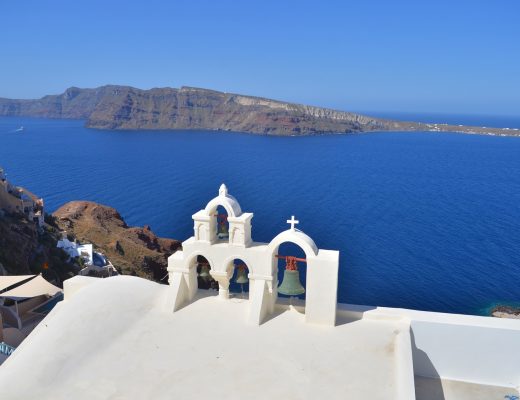
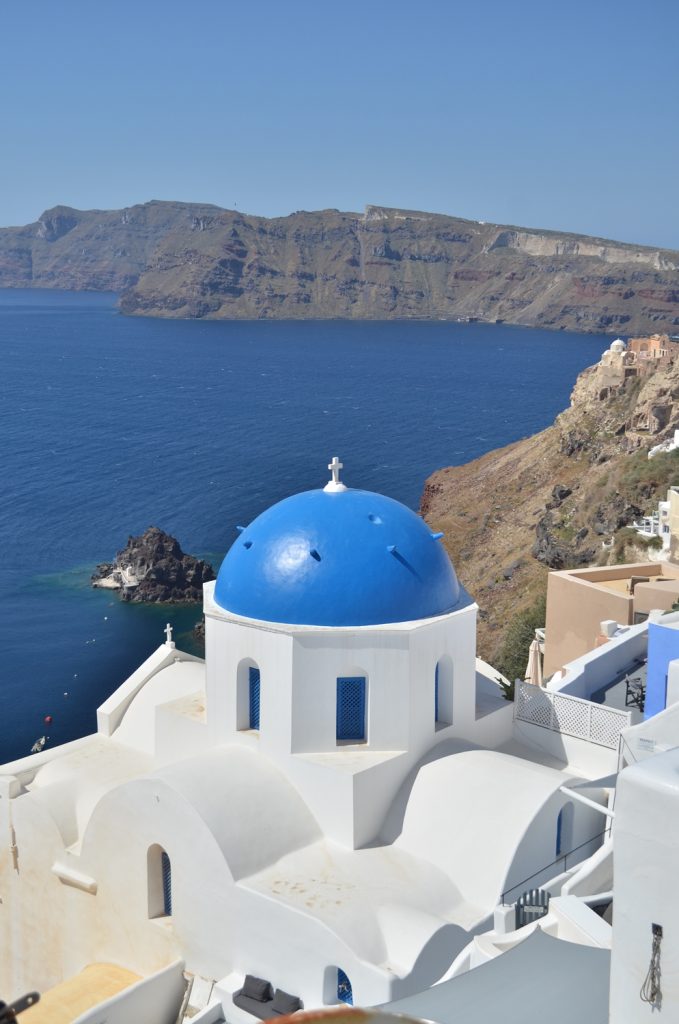
More than 3,500 years ago, one of the largest volcanic eruptions in human history occurred here. It was so powerful that it permanently changed the shape of the island and likely contributed to the collapse of the Minoan civilization on Crete. A huge part of the island disappeared in the explosion, while the sea flooded the center of the volcano, creating the caldera — a massive sea-filled crater that today represents Santorini’s most iconic view.
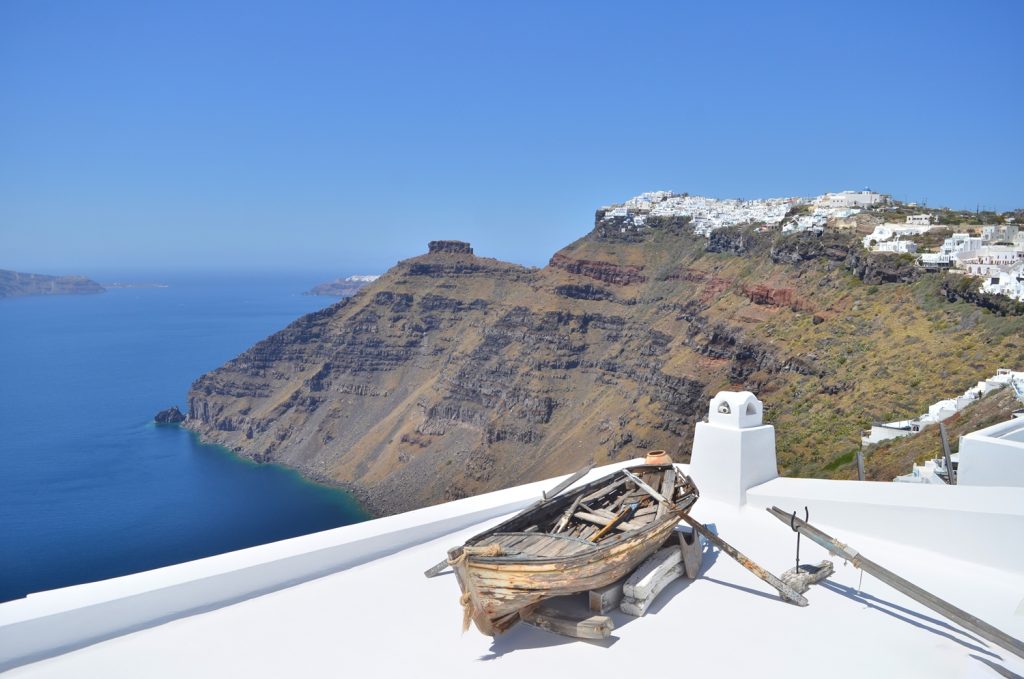
That is exactly why this island looks different from every other Greek island. The cliffs that plunge vertically into the sea were not created by chance. They are the walls of an ancient volcano. The houses that today look like tiny white dots attached to the rocks were built on the edge of one of the greatest natural explosions in the history of the planet.
And it is precisely this combination of volcanic drama and Mediterranean elegance that makes Santorini irresistible.
Some even believe that Santorini inspired the legend of Atlantis — the lost city swallowed by the sea. When you stand on the edge of the caldera watching the sun disappear behind the volcanic islands, it becomes easy to understand how such legends were born.
How Santorini Became the World’s Most Desired Island
Today, Santorini seems like a place that has always symbolized luxury travel and perfect photography. But tourism here did not begin that long ago.
Until the middle of the 20th century, the island survived mainly through fishing, wine production, and agriculture. People cultivated the land under strong winds and the harsh conditions of volcanic soil. Houses were simple, many carved directly into the rock to protect residents from the heat.
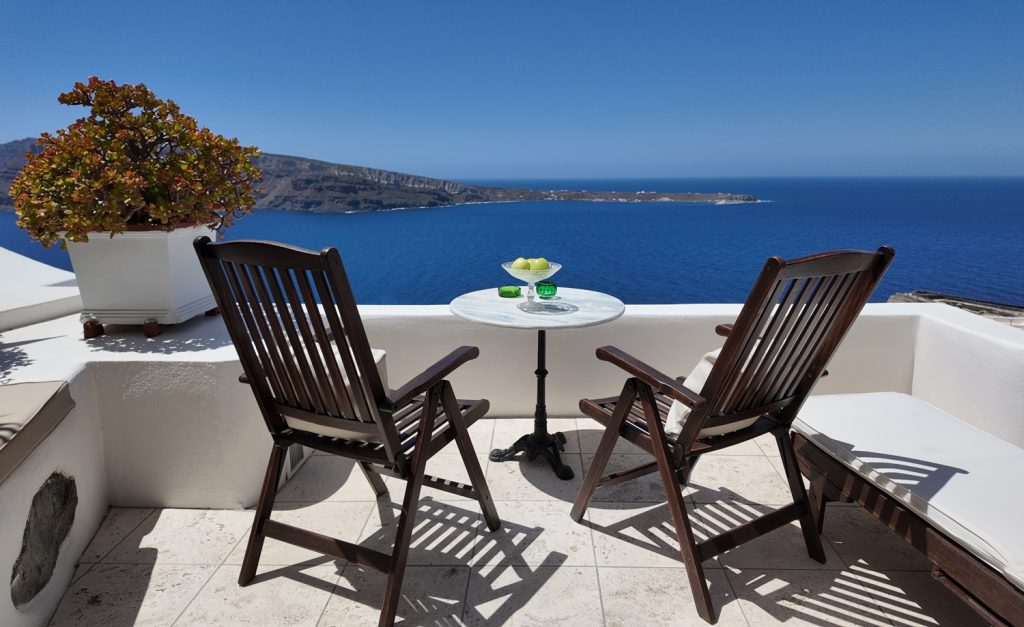
The devastating earthquake of 1956 almost destroyed Santorini. Many residents left the island, and entire villages were left nearly empty. Yet that was also the beginning of a new era.
During the 1970s, the first photographers and travelers discovered the island’s incredible beauty, especially after the discovery of ancient Akrotiri and the unique Cycladic architecture. White houses with blue domes began appearing on magazine covers around the world. Santorini became the symbol of the Greek summer and eventually one of the most desirable destinations on the planet.
Today, millions of tourists visit every year, but despite its popularity, the island has not lost its magic. On the contrary — Santorini has managed to remain a place that still feels like a dream.
Fira – The Heart of the Island That Never Sleeps
If Santorini is a stage, then Fira is its main scene.
The island’s capital sits high above the sea on the edge of the caldera and looks like a maze of white streets, terraces, restaurants, and small hotels with breathtaking views.
Fira is alive at every hour of the day. In the morning it smells of coffee and fresh pastries, in the afternoon of sea and sunshine, and at night of wine, music, and summer. The streets are filled with people from all over the world, yet despite the crowds, the town still keeps the charm of a traditional Cycladic settlement.
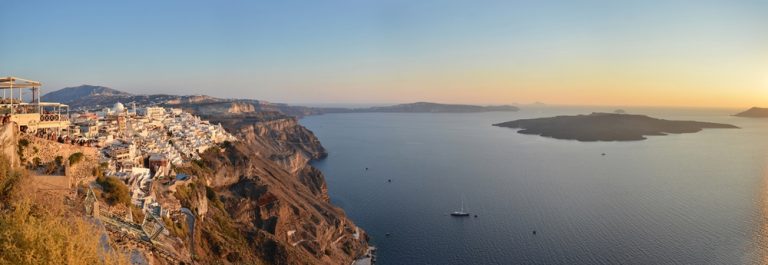
From the terraces of Fira, you can enjoy one of the most beautiful views of the Aegean Sea. Cruise ships look like tiny toys anchored far below the cliffs, while the sunlight transforms the white facades into gold.
Some of the island’s best restaurants are located here, along with elegant rooftop bars and hidden alleyways leading to spectacular viewpoints. Fira is a blend of luxury and spontaneity — a place where you can drink expensive wine at an exclusive hotel, but also sit on stone steps with a gyros in your hand while watching the sunset.
Oia – The Most Beautiful Sunset in the World
There are sunsets, and then there is Oia.
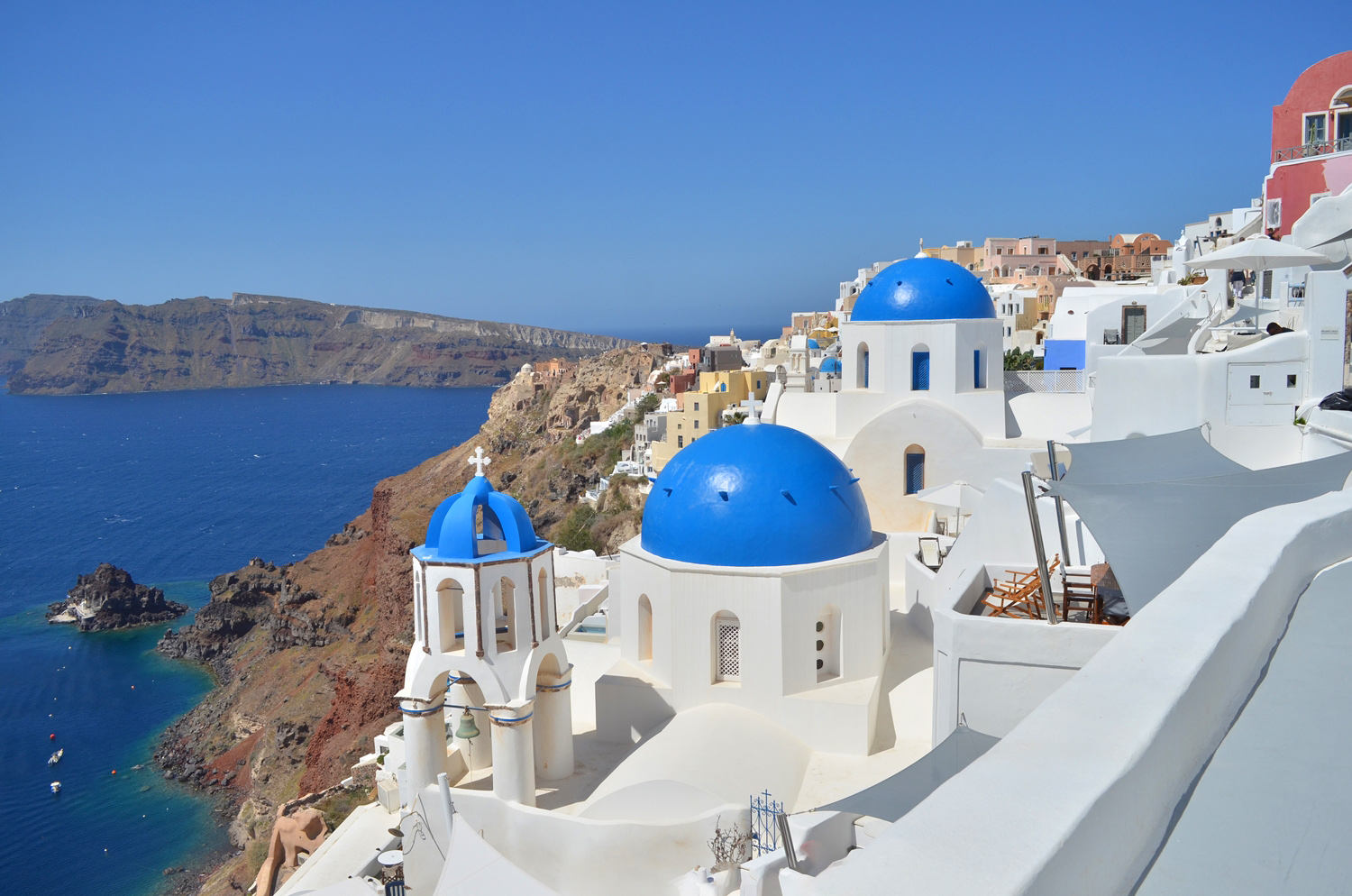
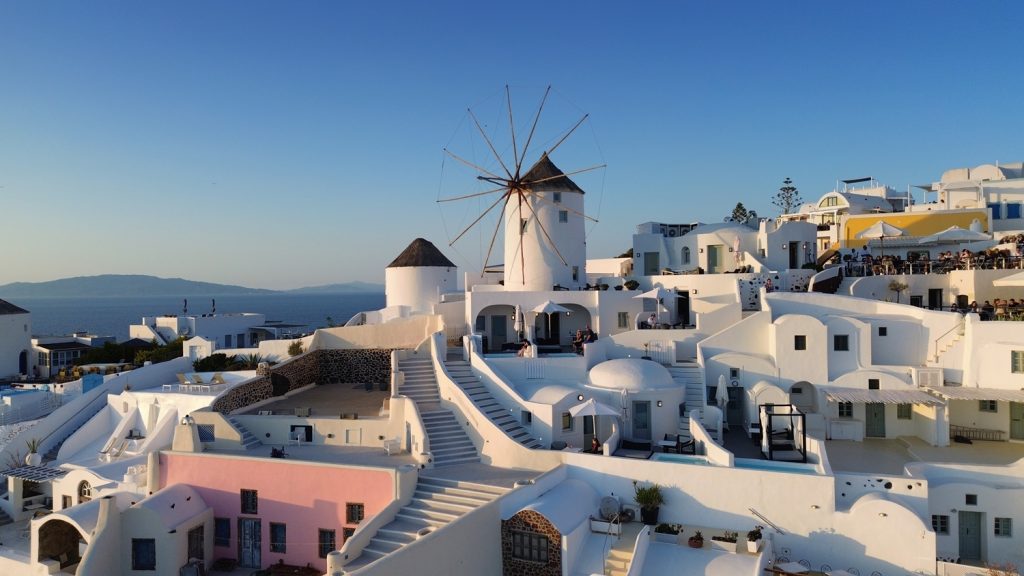
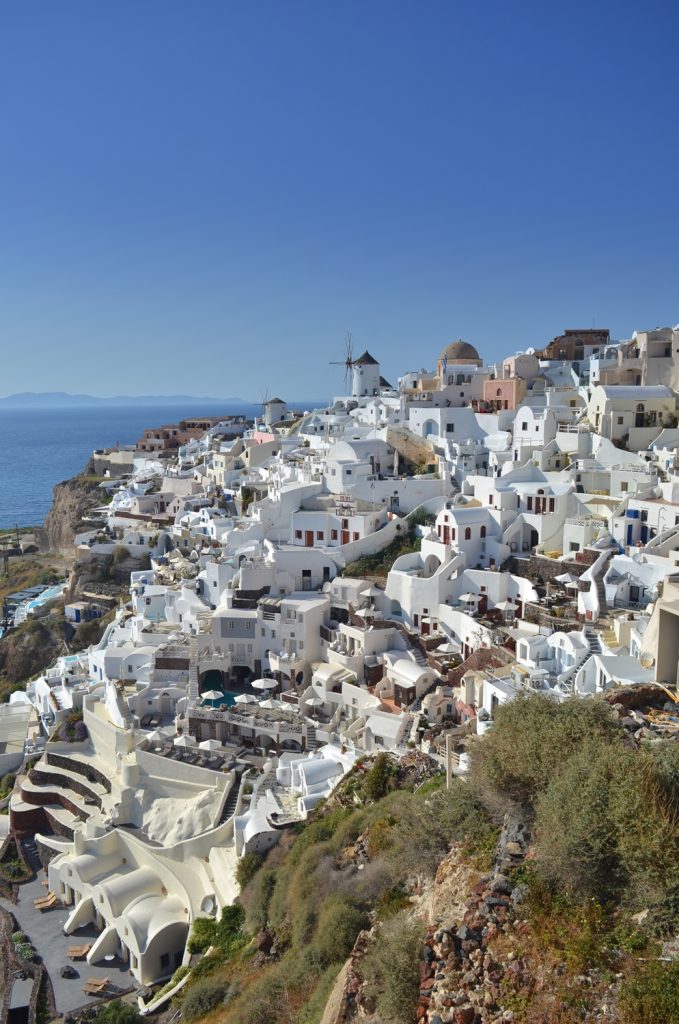
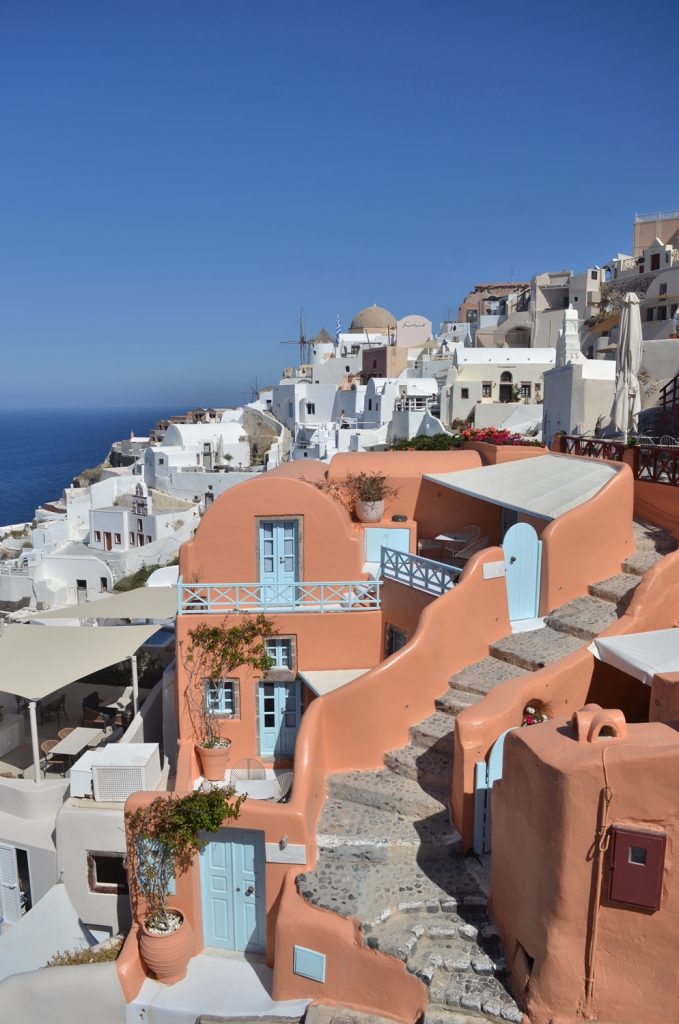
This small village on the northern tip of the island has become a global symbol of romance. Its white houses, blue domes, and narrow streets are among the most photographed scenes in the world today.
But photographs cannot capture the atmosphere of the moment when the sun begins to sink into the sea.
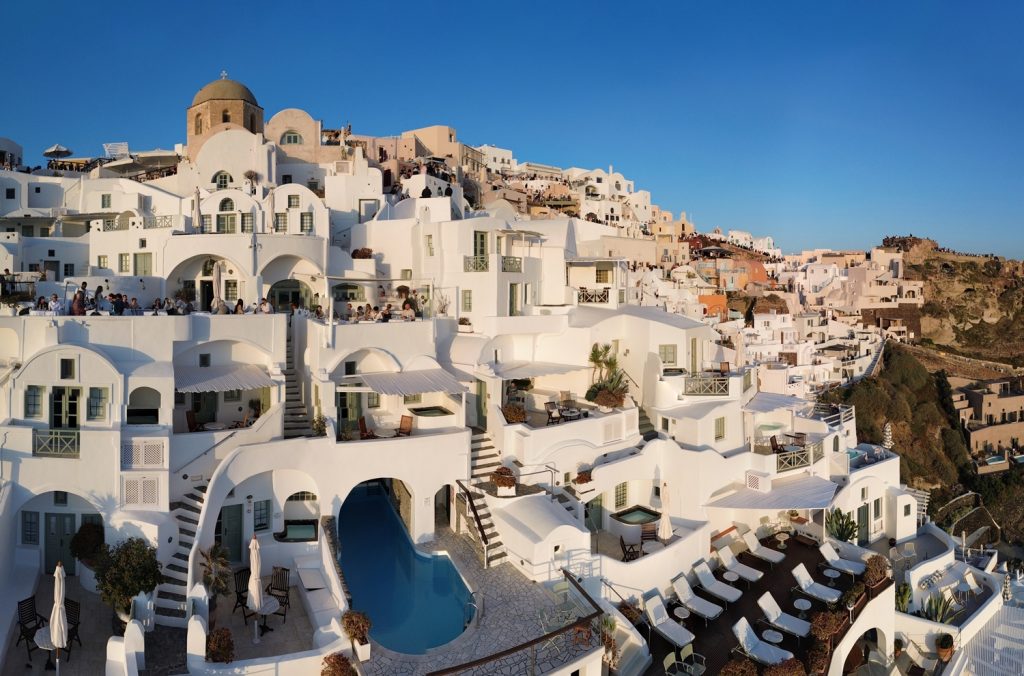
In the evening, the entire village slows down. People gather on terraces, walls, and staircases waiting for the spectacle that happens here every single night. The sky turns orange, then pink, then deep red, while the white houses slowly transform into shades of gold.
And that is when Santorini reveals its true magic.
It is no coincidence that Oia is considered one of the most romantic places in the world. People come here for emotion. For the feeling of becoming, even for a brief moment, part of something perfect.
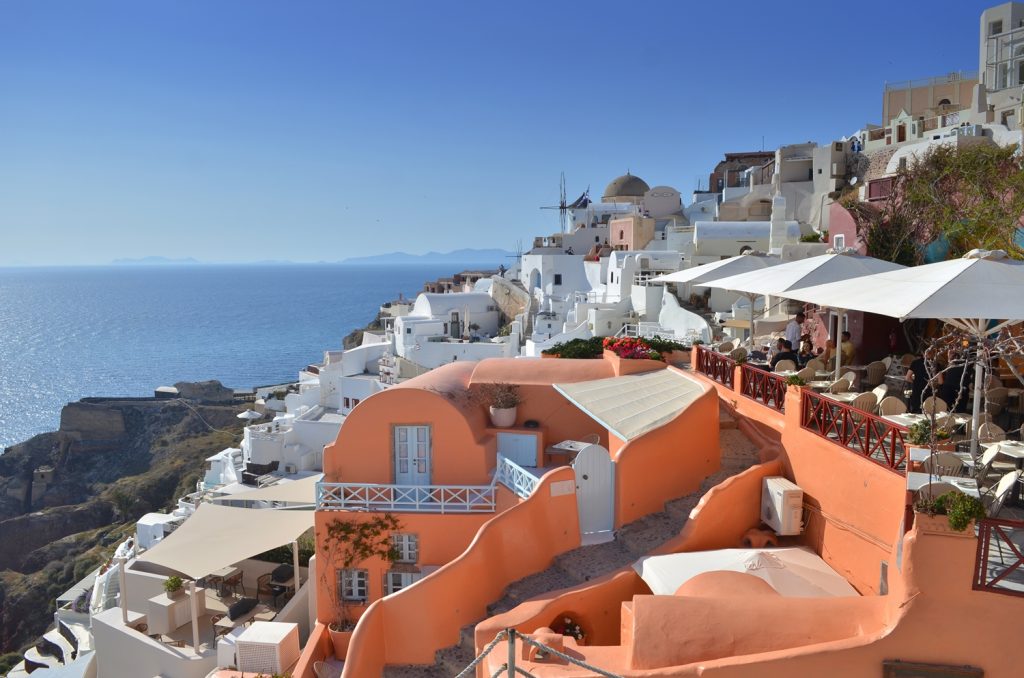
At night, Oia becomes quieter than Fira. Small lanterns illuminate the streets, restaurants play soft music, and the sea beneath the cliffs disappears into darkness. Everything feels like a scene from a film.
And in fact — many films have been shot here.
Santorini on Film – The Island Cameras Love
Few places in the world look as cinematic as Santorini. That is why so many directors have chosen this island as the setting for their stories.
One of the most famous films shot here is Lara Croft Tomb Raider: The Cradle of Life, where the dramatic cliffs and volcanic landscapes perfectly matched the adventurous atmosphere of the movie.
Santorini has also appeared in numerous Greek and European films, documentaries, fashion campaigns, and music videos. Luxury brands have spent years using its white terraces and endless blue sea as the perfect backdrop.
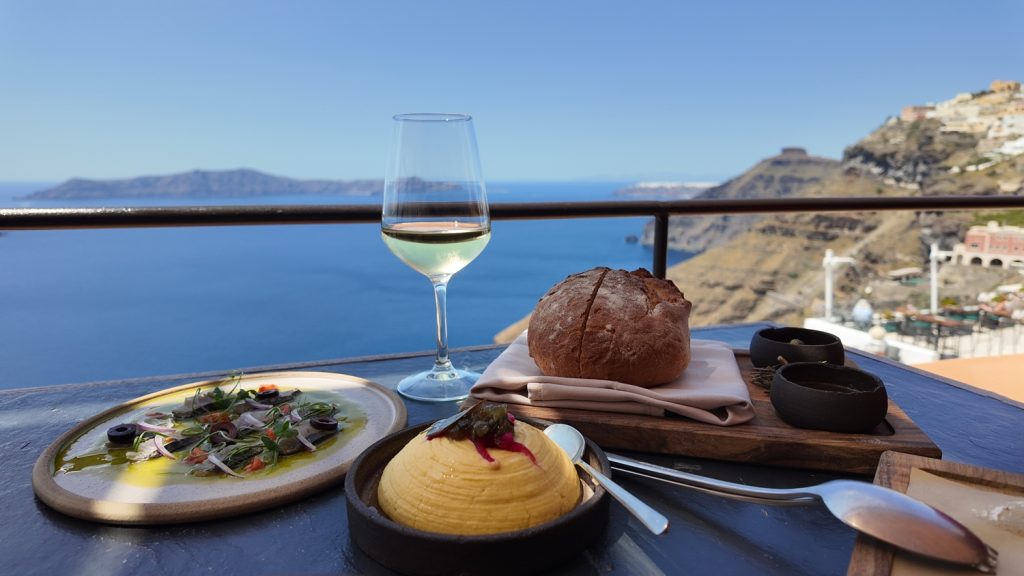
But perhaps Santorini’s greatest role is in the world of social media. This island has practically changed the way people imagine the ideal journey. Its photographs have become symbols of the perfect summer, luxury, and romance.
And yet, not even the best camera can fully capture what Santorini feels like in real life.
Imerovigli – The Balcony Above the Volcano
While most tourists rush to Oia and Fira, Imerovigli remains quieter and more sophisticated.
This village, located at the highest point of the caldera, is often called “the balcony of the Aegean.” The view from here feels almost unreal — volcanic islands, endless sea, and white houses suspended above the cliffs.
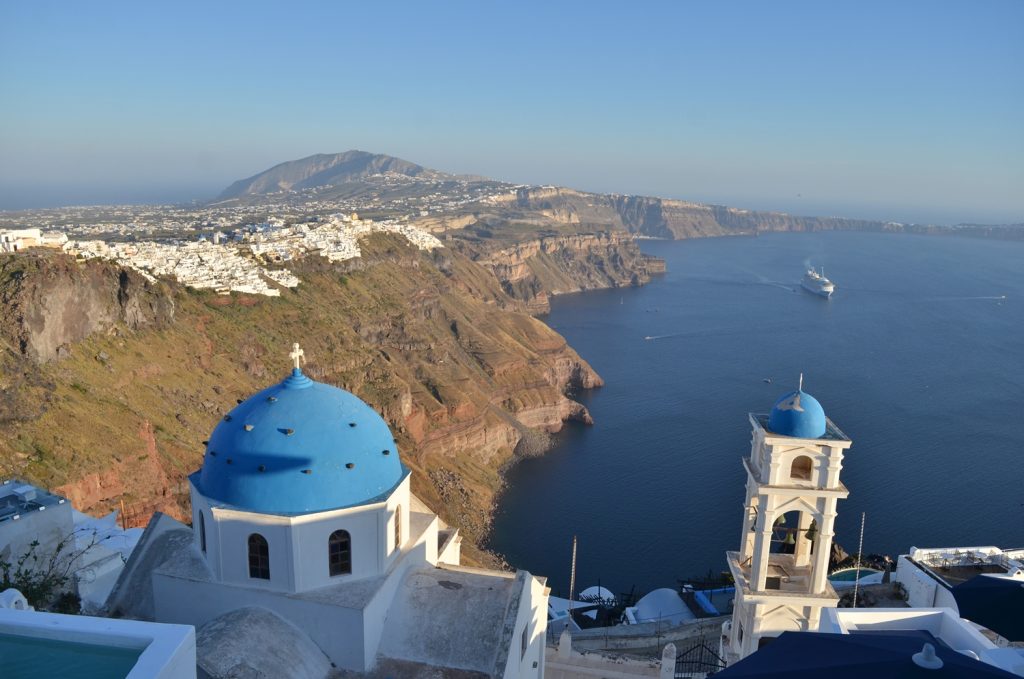
Imerovigli is ideal for travelers seeking a more peaceful Santorini. There are fewer crowds here, but perhaps the island’s most beautiful luxury hotels. Infinity pools blend seamlessly with the horizon, while mornings begin with views that seem almost otherworldly.
Particularly impressive is Skaros Rock, once a medieval fortress and today one of the best spots for hiking and watching the sunset.
In Imerovigli, Santorini feels more elegant, quieter, and deeply intimate.
Megalochori and Pyrgos – The Hidden Soul of Santorini
Most visitors discover Santorini through its caldera, but the true soul of the island often hides beyond the famous viewpoints.
Megalochori is one of the island’s most beautiful traditional villages. Narrow stone streets, flower-filled courtyards, and whitewashed houses create the feeling of an authentic Greece that has managed to preserve its peace despite the island’s popularity.
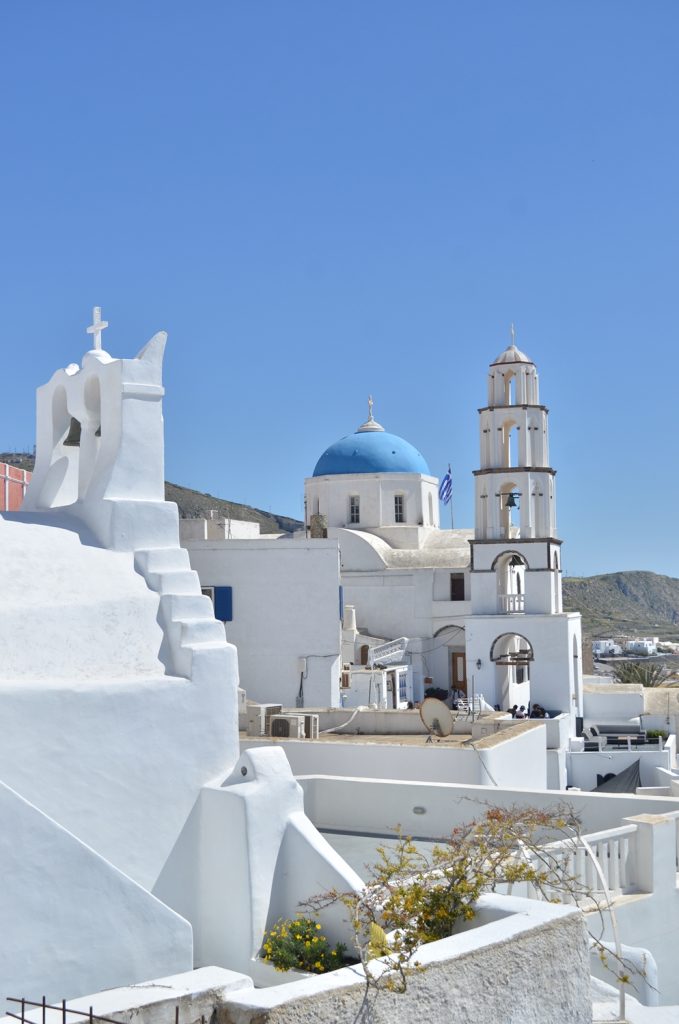
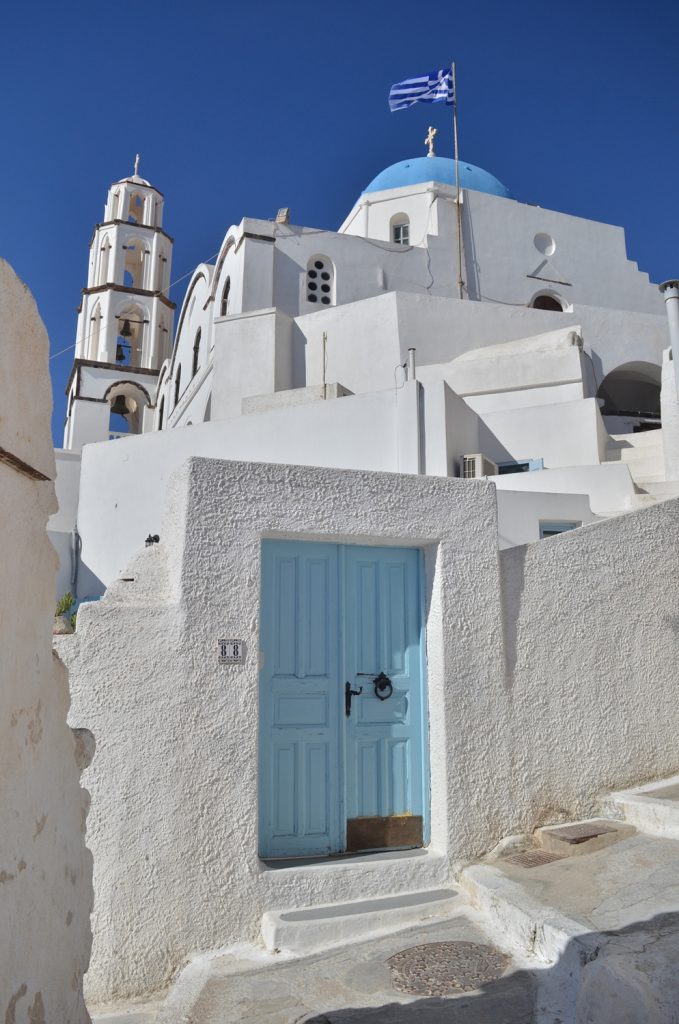
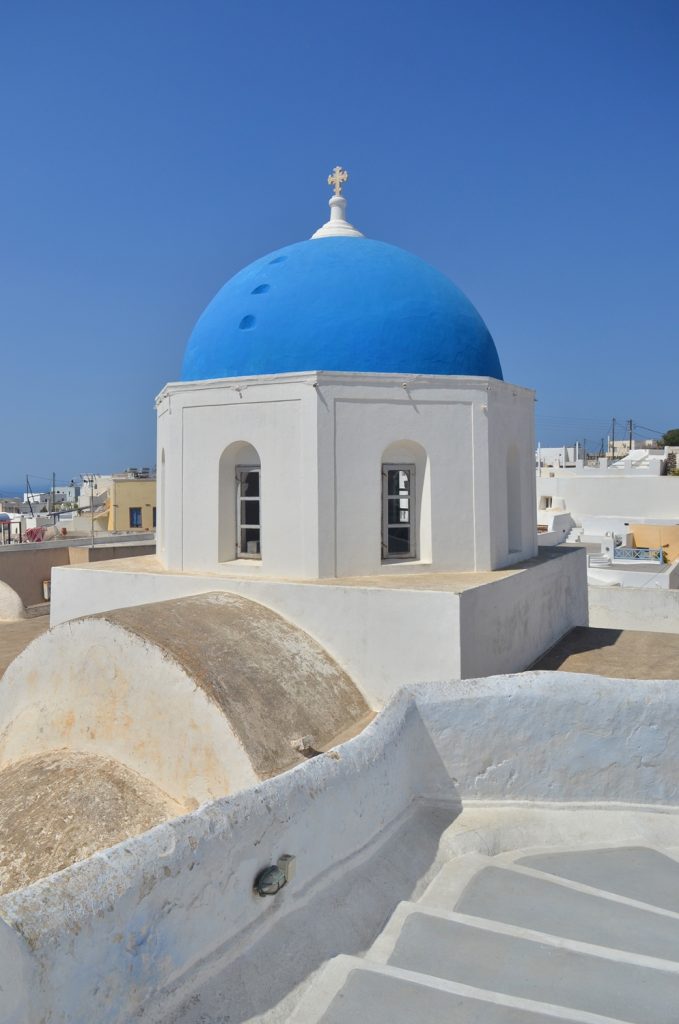
Time moves more slowly here. Elderly residents sit outside their homes, church bells echo through narrow alleyways, and tavernas serve local wine and food without the rush of mass tourism.
Pyrgos, the former capital of Santorini, may be the island’s most underrated destination. Built on a hill, it offers an incredible panoramic view of the entire island. Unlike Fira and Oia, Pyrgos does not have the glamour of luxury hotels — but it has authenticity.
It is here that you truly see what Santorini looks like beyond the postcards.
Akrotiri – The Greek Pompeii
One of Santorini’s most fascinating places lies in the south of the island.
Akrotiri is an ancient city buried beneath volcanic ash during the great eruption. Because of this, it remained astonishingly well preserved, much like Pompeii in Italy.
Archaeologists discovered multi-story houses, frescoes, pottery, and traces of a sophisticated civilization more than three thousand years old. All of this reveals just how advanced Santorini was in ancient times.
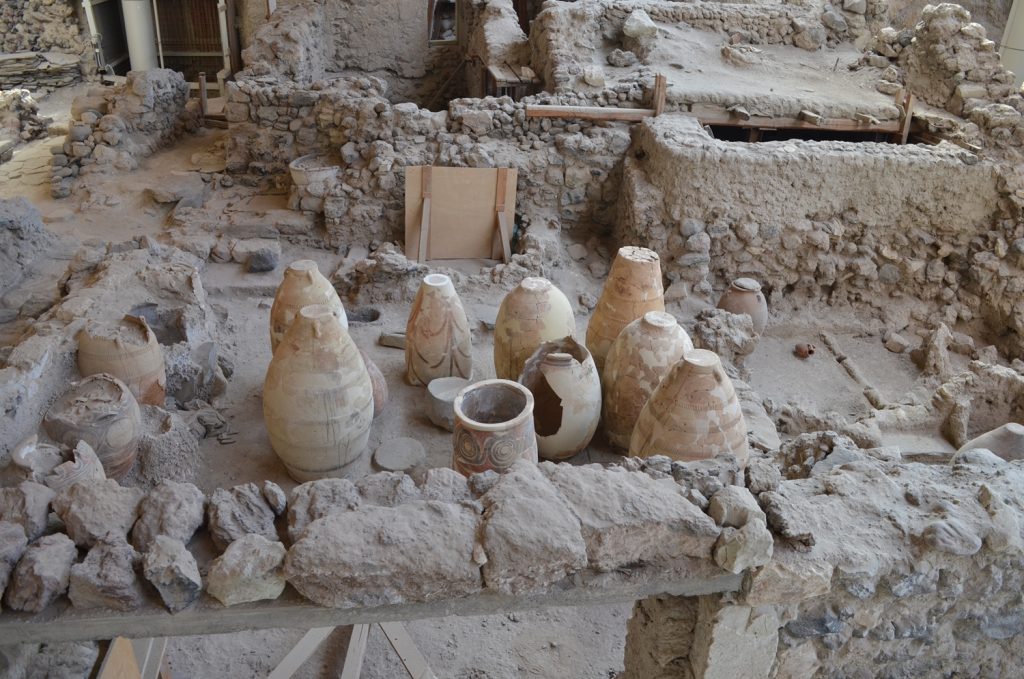
Walking through Akrotiri feels surreal. You wander through the streets of a city that disappeared in a single moment, yet survived for centuries beneath the ash.
Many historians believe this catastrophe inspired the myth of Atlantis.
And when you see the remains of the city, that theory no longer seems impossible.
Ancient Fira – History Above the Sea
High on Mount Mesa Vouno lie the ruins of Ancient Fira — a city founded as early as the 9th century BC.
A steep path leads to it, but the view from the top is worth every step. On one side stretches the endless blue sea, and on the other the volcanic landscapes of Santorini.
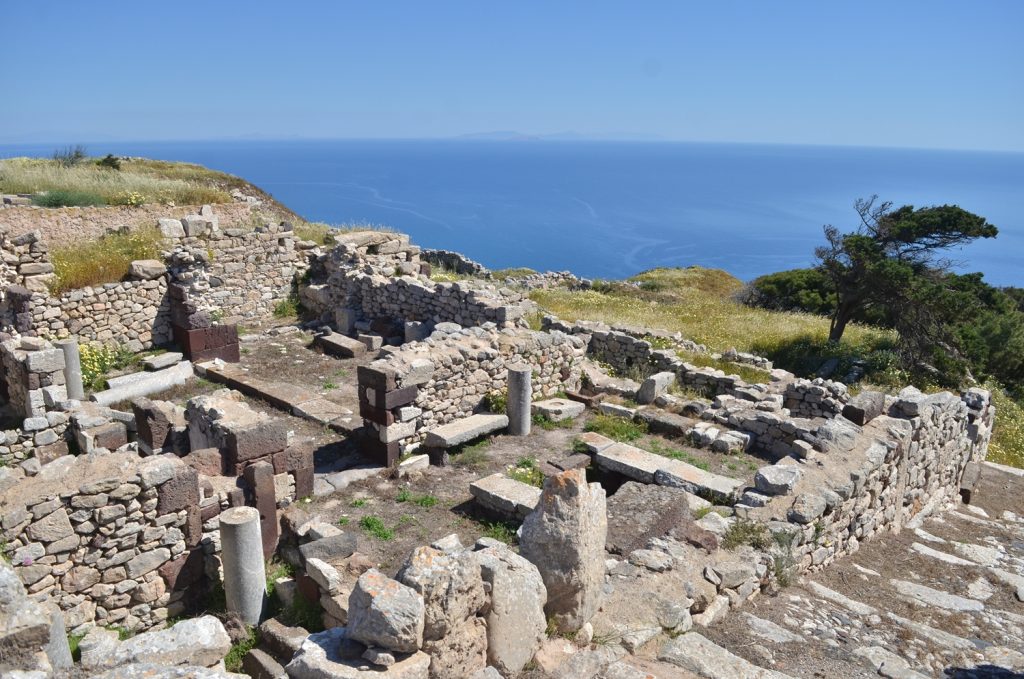
Here you can see the remains of temples, houses, theaters, and streets that gazed upon the same sea tourists admire today.
Ancient Fira is a reminder that Santorini is not just a beautiful island for holidays. It is a place carrying thousands of years of history.
Red Beach and Santorini’s Volcanic Colors
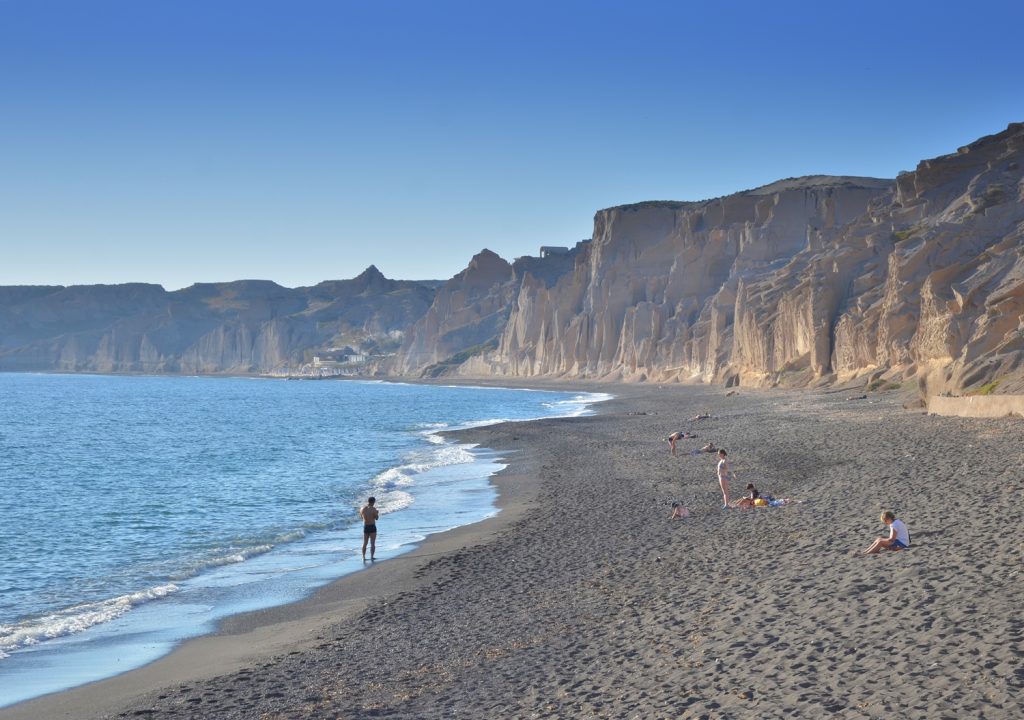
Santorini does not have the typical Greek sandy beaches lined with palm trees and shallow turquoise water. Its beaches are different — dramatic, volcanic, and unique.
The most famous among them is Red Beach near Akrotiri.
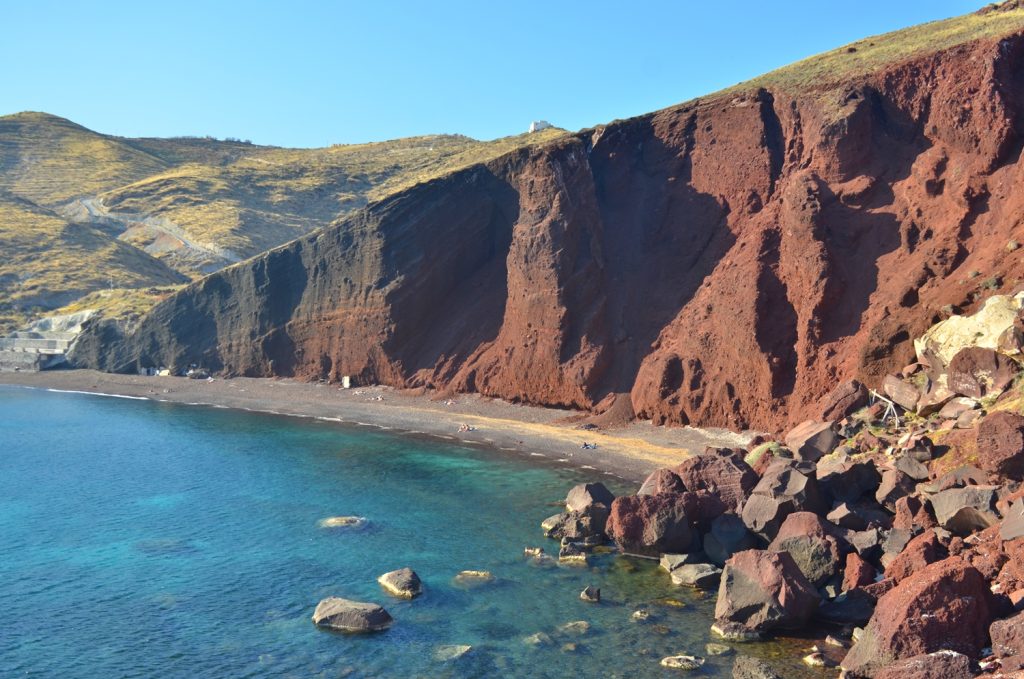
Huge red cliffs descend directly into the sea, creating a landscape that almost feels Martian. Red rock, black volcanic sand, and deep blue water together form one of the Mediterranean’s most unusual scenes.
There is also Perissa’s Black Beach, as well as Kamari with its volcanic pebbles and long seaside promenades.
Santorini may not have Greece’s most classic beaches, but it certainly has the most distinctive ones.
Santorini Wine – The Taste of the Volcano
One of Santorini’s greatest secrets lies in its wines.
Few people realize that the island produces some of the finest wines in Greece, perhaps even in the entire Mediterranean. The mineral-rich volcanic soil gives the grapes a unique character that cannot be found anywhere else.
The most famous variety is Assyrtiko — a white wine with a powerful taste, mineral notes, and refreshing acidity, perfect for the Mediterranean climate.
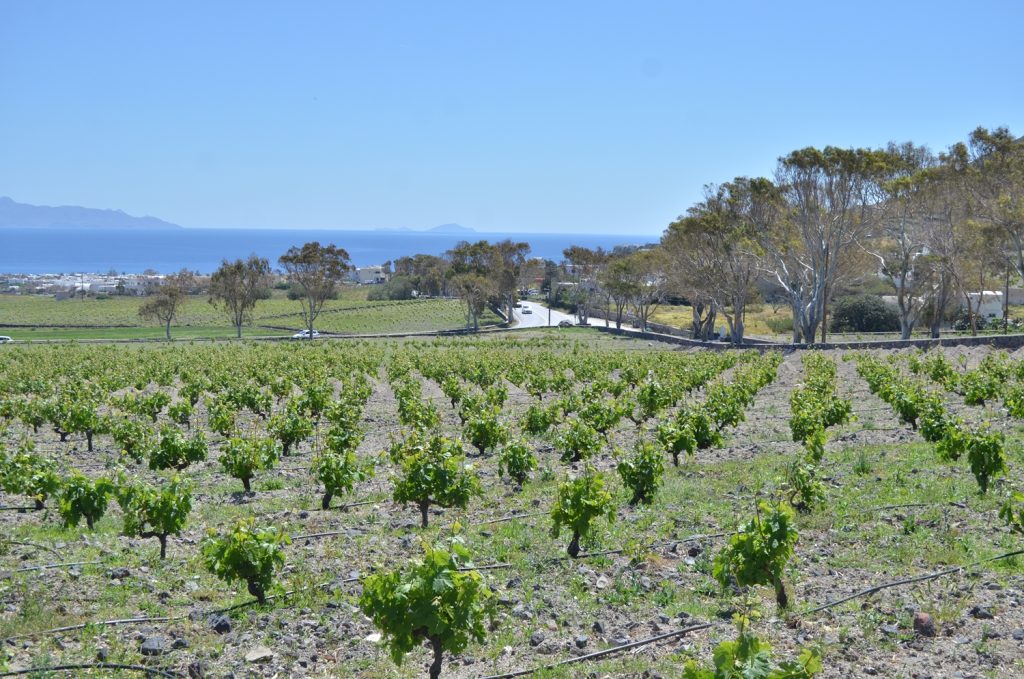
Santorini’s vineyards look completely different from traditional European vineyards. Because of the strong winds, the vines are shaped into low circular baskets that protect the grapes from both sun and wind.
Many wineries now offer tastings overlooking the caldera, turning wine drinking into a true experience.
Especially famous is Vinsanto, a dessert wine that is thick, sweet, and rich with aromas of dried fruit and honey.
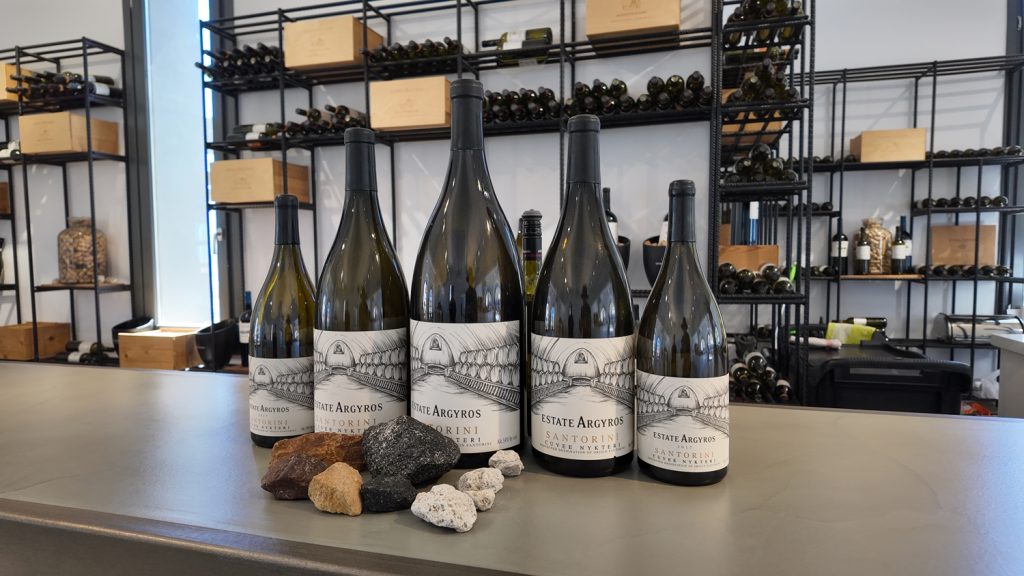
On Santorini, wine is not just a drink. It is part of the island’s identity.
The Tomato That Became a Legend
It may sound surprising, but one of Santorini’s symbols is also the tomato.
The small cherry tomatoes grown in the island’s volcanic soil are considered among the tastiest in Greece. Because of the unique climate and mineral-rich earth, they have an intense flavor and an almost sweet aroma.
Tomato production was once one of the island’s main industries. Today, old tomato factories have been transformed into museums telling the story of life before tourism.
The famous “tomatokeftedes” — fried tomato fritters with herbs and spices — are among the island’s best-known local dishes.
Santorini may be a luxury destination, but its gastronomy still preserves the simplicity of the Mediterranean.
The Island That Stays With You Forever
Santorini is far more than beautiful photographs and postcard views.
It is the feeling of warm wind while standing above the caldera. The sound of waves echoing against volcanic cliffs. The scent of wine and sea during a summer evening. The sight of white houses glowing beneath the sunset.
Santorini is not just an island. It is an emotion. A place where nature looks like art. Where history and luxury live together. Where even an ordinary walk feels cinematic.
And perhaps that is exactly why people do not come here only for a vacation.
They come for the feeling that, for at least a few days, they have stepped into the most beautiful dream of the Mediterranean.
My Santorini trip and possibility to promote the island through my photography is organized by GNTO – Greece National Tourism Organization together with the help of Municipality of Santorini